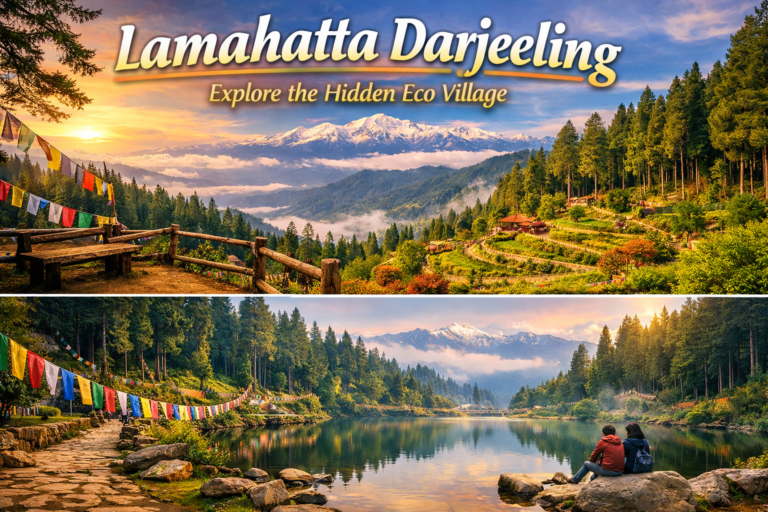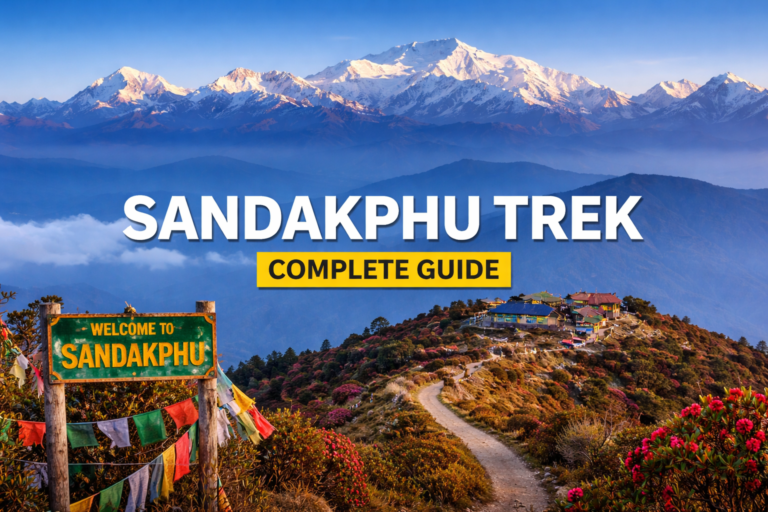
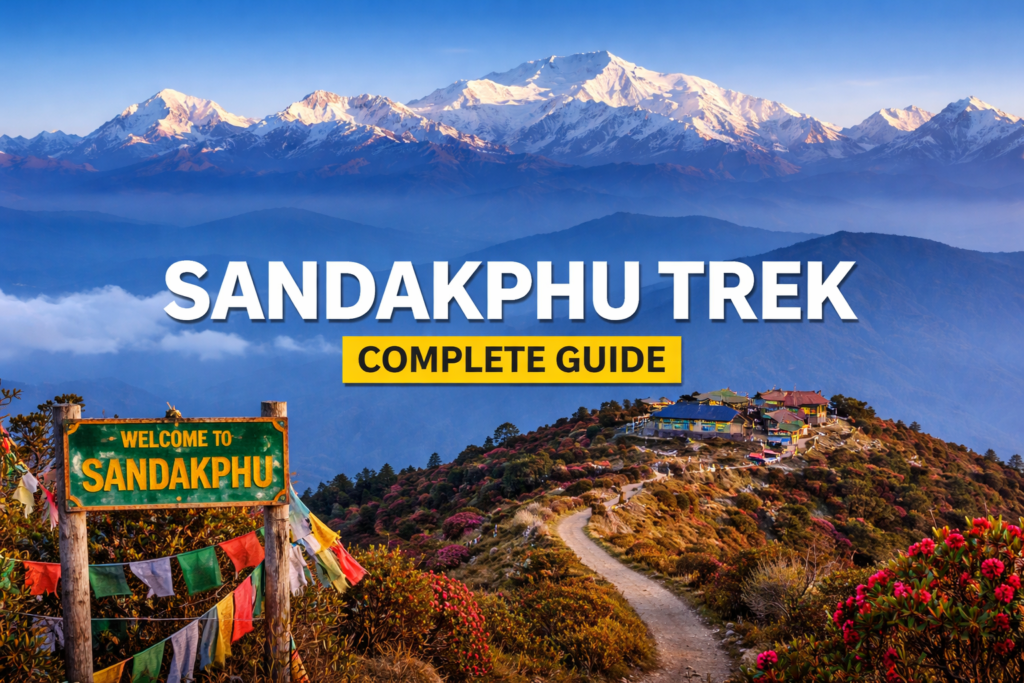
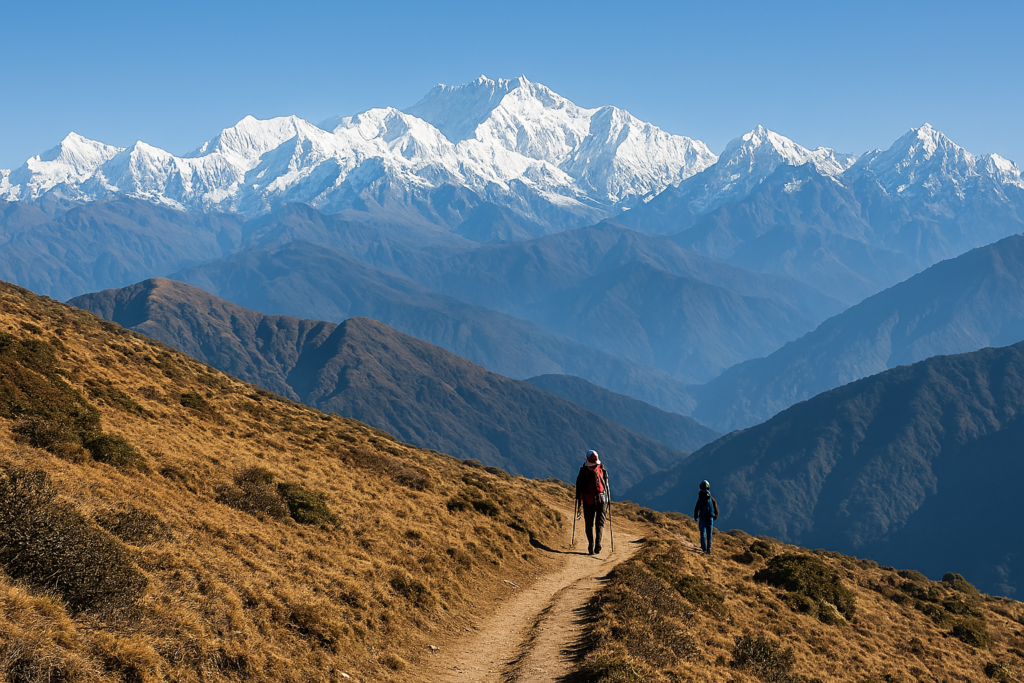
The Sandakphu Trek is one of the most iconic and rewarding trekking experiences in India. Located on the border of India and Nepal, Sandakphu stands at an altitude of 3,636 meters (11,929 feet), making it the highest peak in West Bengal. This trek is world‑famous for offering breathtaking views of four of the world’s five highest mountains—Mount Everest, Kanchenjunga, Lhotse, and Makalu—visible together on a clear day.
Perfect for both beginners and seasoned trekkers, Sandakphu combines panoramic Himalayan scenery, charming villages, dense forests, and rich local culture into one unforgettable journey.
Why the Sandakphu Trek Is So Special
Unlike many high‑altitude treks that require technical skills, the Sandakphu trek is relatively moderate while still delivering dramatic Himalayan views. The trail passes through the Singalila National Park, known for its rare flora, vibrant rhododendron forests, and occasional wildlife sightings such as red pandas and Himalayan birds.
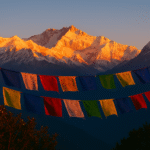
What truly sets Sandakphu apart is the legendary viewpoint known as the “Sleeping Buddha”, a majestic formation of snow‑covered peaks dominated by Kanchenjunga. Watching the golden sunrise over this range is often described as a once‑in‑a‑lifetime experience.
Location and How to Reach Sandakphu
Sandakphu is located in the Darjeeling district of West Bengal, close to the Nepal border.
How to reach the starting point (Manebhanjan):
- By Air: Nearest airport is Bagdogra (IXB)
- By Train: Nearest railway station is New Jalpaiguri (NJP)
- By Road: From NJP or Bagdogra, travel to Darjeeling, then continue to Manebhanjan
Manebhanjan is the official base village where trekkers register and hire guides or porters.
Sandakphu Trek Route and Itinerary
The classic Sandakphu trek usually takes 5 to 7 days, depending on the route and pace.
Popular trekking route:
- Day 1: Manebhanjan to Tonglu
- Day 2: Tonglu to Kalipokhri
- Day 3: Kalipokhri to Sandakphu
- Day 4: Sandakphu to Phalut
- Day 5: Phalut to Gorkhey / Srikhola
- Day 6–7: Return to Darjeeling
Each stop offers basic accommodation, warm meals, and stunning landscapes.
Best Time to Do the Sandakphu Trek
The trek can be done in multiple seasons, but the best times are:
🌸 Spring (April to May)
- Blooming rhododendrons
- Pleasant weather
- Clear mountain views
🍁 Autumn (October to November)
- Crystal‑clear skies
- Best visibility of Himalayan peaks
- Stable weather conditions
Winter (December–February) offers snow trekking but can be extremely cold, while monsoon (June–September) is not recommended due to landslides and poor visibility.
Difficulty Level and Fitness Requirements
The Sandakphu trek is considered moderate in difficulty. It involves long walking hours and gradual altitude gain but does not require technical climbing skills.
Recommended fitness level:
- Ability to walk 6–7 hours daily
- Basic cardiovascular endurance
- Some prior trekking experience is helpful but not mandatory
Regular walking, stair climbing, and light cardio exercises before the trek are sufficient for preparation.
Accommodation and Food During the Trek
Accommodation is mainly in trekkers’ lodges and homestays. Facilities are basic but comfortable, with shared rooms and simple bedding.
Food typically includes:
- Rice, dal, vegetables
- Noodles, soup, momos
- Tea and local snacks
The warmth and hospitality of local hosts add a special charm to the experience.
Permits and Local Guides
Since the trail passes through Singalila National Park, entry permits are mandatory. Hiring a registered local guide is strongly recommended and often required. Guides not only ensure safety but also enrich the trek with local stories and knowledge of the terrain.
Flora, Fauna, and Cultural Experience
The Singalila region is known for:
- Rhododendron and magnolia forests
- Rare orchids
- Himalayan birds and red pandas
You’ll also encounter traditional villages inhabited by Gorkha and Sherpa communities, offering insights into local customs, language, and mountain lifestyle.
Tips for a Safe and Enjoyable Sandakphu Trek
- Acclimatize properly and walk at a steady pace
- Carry warm layers, even in summer
- Stay hydrated and avoid alcohol at high altitude
- Respect local culture and natural surroundings
- Carry basic medicines and personal essentials
Why You Should Do the Sandakphu Trek
The Sandakphu trek is more than just a hike—it’s a journey through dramatic landscapes, rich biodiversity, and authentic mountain culture. Whether you’re a first‑time trekker or a seasoned explorer, Sandakphu offers unmatched Himalayan views without extreme technical challenges.
If you are looking for a trek that blends natural beauty, adventure, and cultural depth, Sandakphu deserves a top spot on your travel list.
Sandakphu Trek – FAQs
Where is Sandakphu located?
Sandakphu is located in the Darjeeling district of West Bengal, near the India–Nepal border, inside Singalila National Park.
Why is the Sandakphu trek famous?
The Sandakphu trek is famous for offering a rare view of Mount Everest, Kanchenjunga, Lhotse, and Makalu from one viewpoint.
What is the height of Sandakphu?
Sandakphu stands at an altitude of approximately 3,636 meters (11,929 feet), making it the highest peak in West Bengal.
Is the Sandakphu trek suitable for beginners?
Yes, beginners with basic fitness and proper preparation can successfully complete the Sandakphu trek.
What is the best time to do the Sandakphu trek?
The best time to do the Sandakphu trek is from April to May and October to November due to clear weather and great visibility.
How many days does the Sandakphu trek take?
The trek usually takes between 5 to 7 days, depending on the route and walking pace.
How difficult is the Sandakphu trek?
The Sandakphu trek is considered moderate, involving long walking hours but no technical climbing.
What is the starting point of the Sandakphu trek?
Manebhanjan is the official starting point where trekkers register and hire local guides.
Do I need permits for the Sandakphu trek?
Yes, an entry permit is required as the trek passes through Singalila National Park.
What makes the Sandakphu trek special?
The trek is special for its panoramic Himalayan views, rich biodiversity, and the famous Sleeping Buddha mountain formation.