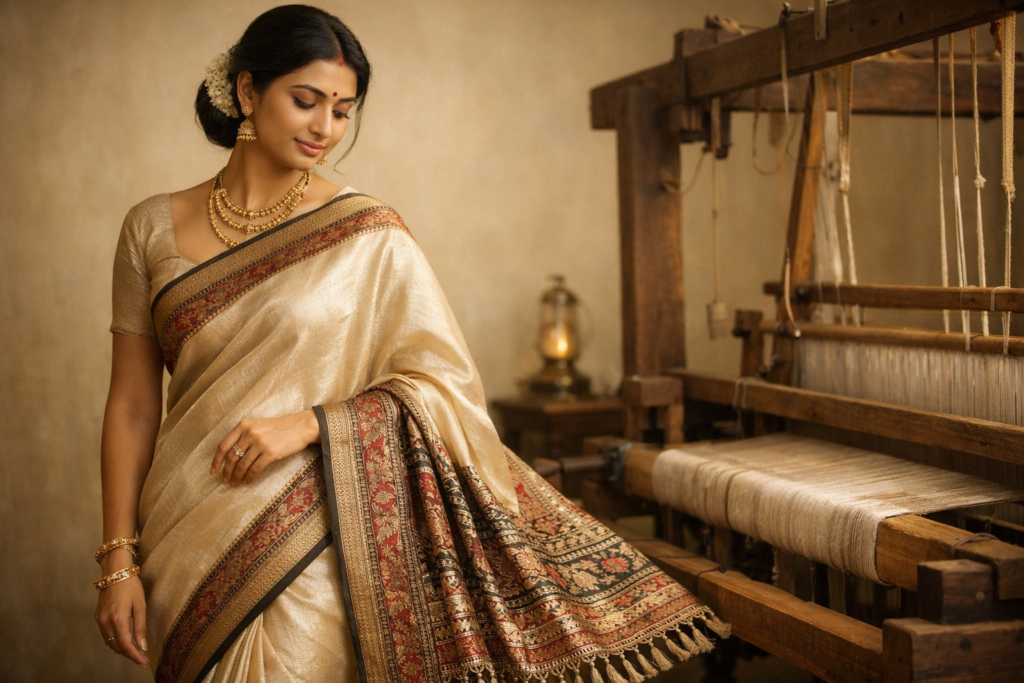
Bengal silk sarees represent one of India’s most refined textile traditions, blending heritage craftsmanship, artistic storytelling, and understated elegance. Originating from West Bengal, these sarees are admired for their fluid drape, breathable texture, and intricate handwoven details. Unlike heavily embellished silks, Bengal silk sarees focus on grace, balance, and cultural depth, making them a timeless choice for modern and traditional wardrobes alike.
The Historical Roots of Bengal Silk
Silk weaving in Bengal has a history that spans over a thousand years. The fertile land, humid climate, and availability of silk cocoons made Bengal a natural hub for silk production. During ancient and medieval times, Bengal silk fabrics were traded across Asia and Europe and were valued for their strength, softness, and natural sheen.
Under royal patronage, weaving techniques evolved, leading to the creation of sarees that were not only garments but also visual narratives. Even today, many motifs and weaving patterns are inspired by temple art, folklore, and everyday Bengali life, preserving stories through threads.
What Makes Bengal Silk Sarees Unique
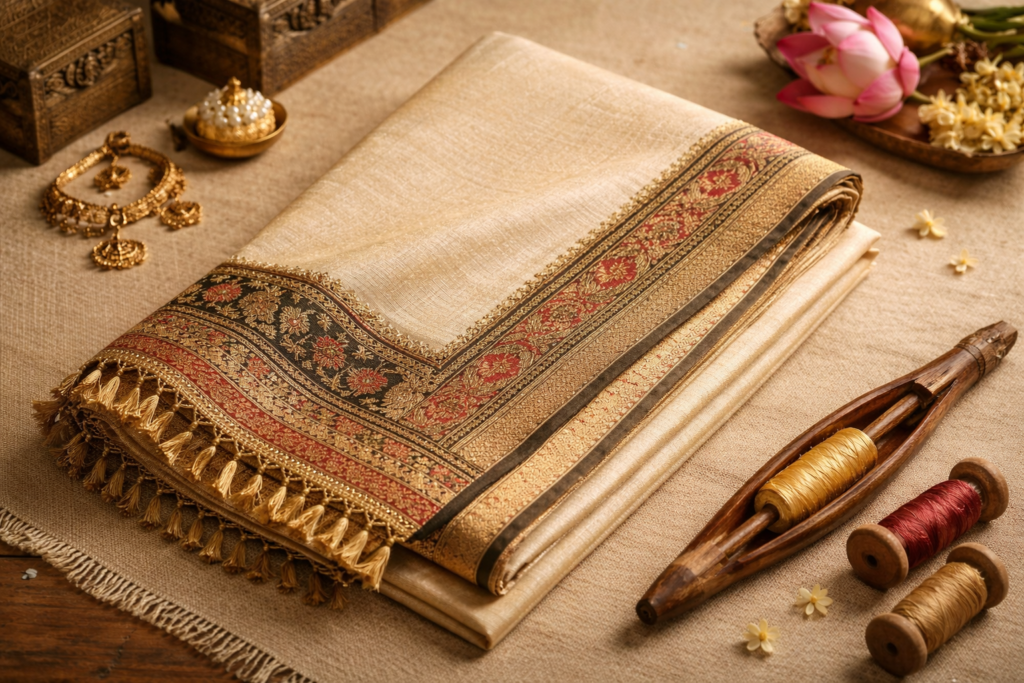
Bengal silk sarees are distinct from other Indian silks due to their subtle luxury and artisanal character.
Key Characteristics:
- Soft and breathable fabric suitable for long wear
- Natural sheen rather than artificial gloss
- Lightweight structure with a graceful fall
- Rich but balanced color tones
- Handwoven motifs that reflect culture and heritage
Each saree carries slight variations, which is a hallmark of authentic handloom weaving, not a flaw.
Major Types of Bengal Silk Sarees (Explained in Detail)
1. Baluchari Silk Saree
Baluchari silk sarees are renowned for their elaborate pallu designs, often woven with narrative motifs. These motifs may depict mythological scenes, traditional ceremonies, or royal processions. The weaving technique allows multiple colors to appear seamlessly within a single design, making each saree a wearable piece of art.
Best suited for: Weddings, traditional ceremonies, cultural events
2. Murshidabad Silk Saree
Murshidabad silk sarees are known for their smooth texture, vibrant yet elegant colors, and lightweight feel. These sarees are ideal for women who prefer luxurious silk without heavy ornamentation. The designs often feature delicate borders and minimalistic patterns.
Best suited for: Festivals, formal gatherings, office ethnic wear
3. Bishnupur Silk Saree
Bishnupur silk sarees stand out for their matte finish and natural dyes. Inspired by temple architecture and folk art, these sarees often feature geometric or nature-based motifs. The weaving process prioritizes sustainability and traditional craftsmanship.
Best suited for: Cultural functions, artistic and heritage wear
4. Tussar Silk Saree from Bengal
Tussar silk sarees are made from wild silk fibers, giving them a textured surface and natural golden hue. These sarees are highly breathable and comfortable, especially in warmer climates. Their organic look appeals to those who value natural luxury.
Best suited for: Day events, summer weddings, elegant casual wear
The Handloom Weaving Process (Step-by-Step)
Creating a Bengal silk saree is a time-intensive artisanal process that involves skill, patience, and precision.
- Silk Fiber Selection – High-quality silk cocoons are chosen
- Yarn Preparation – Fibers are spun, cleaned, and strengthened
- Natural or Acid Dyeing – Colors are carefully absorbed into the yarn
- Design Mapping – Motifs are plotted on graph paper or looms
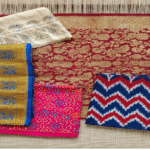
- Handloom Weaving – Weavers manually interlace threads
- Finishing & Polishing – Saree is washed and checked for quality
Depending on the complexity, one saree may take two weeks to over a month to complete.
Cultural Importance in Bengali Traditions
Bengal silk sarees hold a special place in religious rituals, festivals, and life events. During Durga Puja, weddings, and family ceremonies, silk sarees symbolize prosperity, purity, and respect for tradition.
They are often gifted during important milestones, making them emotionally significant and cherished for generations.
Why Bengal Silk Sarees Are Ideal for Modern Women
- Lightweight and comfortable for long hours
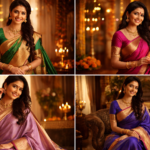
- Suitable for both traditional and contemporary styling
- Elegant without being overpowering
- Versatile for day-to-night transitions
- Represents conscious fashion and artisan support
Styling Bengal Silk Sarees for Different Occasions
- Pair with handcrafted silver or antique gold jewelry
- Use contrast or embroidered blouses for a modern look
- Minimal makeup enhances the saree’s natural beauty
- Draping styles can be traditional or experimental
How to Identify an Authentic Bengal Silk Saree
- Slight irregularities in weave (sign of handloom)
- Soft texture with natural sheen
- Detailed pallu and borders woven, not printed
- Pure silk feels warm when touched
Care and Storage Guidelines
- Always dry clean
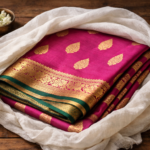
- Store in cotton or muslin fabric
- Avoid plastic covers
- Keep away from moisture and direct sunlight
- Air the saree occasionally
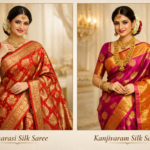
Bengal Silk Saree vs Other Silk Sarees
| Aspect | Bengal Silk | Banarasi | Kanjeevaram |
|---|---|---|---|
| Weight | Lightweight | Heavy | Very heavy |
| Finish | Soft & natural | Glossy | Structured |
| Design | Artistic & narrative | Ornate | Bold & traditional |
| Comfort | High | Medium | Low for long wear |
A Bengal silk saree is a celebration of craftsmanship, culture, and timeless elegance. Every piece reflects the dedication of skilled artisans and centuries of textile heritage. Whether worn for a festival, wedding, or special occasion, Bengal silk sarees offer a refined elegance that transcends fashion trends.
Choosing a Bengal silk saree is not just a style decision—it is an investment in heritage, sustainability, and authentic Indian craftsmanship.
Frequently Asked Questions – Bengal Silk Sarees
What makes Bengal silk sarees different from other Indian silk sarees?
Bengal silk sarees are valued for their soft texture, lightweight feel, and graceful drape. Unlike heavier silks, they focus on artistic weaving, narrative pallus, and subtle elegance rather than excessive shine. Their comfort and refined finish make them suitable for long wear.
Are Bengal silk sarees suitable for all seasons?
Yes, Bengal silk sarees are comfortable in most climates. Varieties like Murshidabad and Tussar silk are breathable and adapt well to warm or humid weather, making them ideal for day events, festivals, and extended occasions.
How can I identify an authentic Bengal silk saree?
Authentic Bengal silk sarees show minor irregularities in weaving, which indicate handloom craftsmanship. The fabric has a natural sheen, woven designs (not prints), and a soft feel. Pure silk also feels warm when gently rubbed between fingers.
What occasions are Bengal silk sarees best suited for?
Bengal silk sarees are versatile and suitable for weddings, festivals, religious ceremonies, cultural events, and formal gatherings. Their elegant appearance allows them to transition easily between traditional and modern settings.
How should Bengal silk sarees be stored and maintained?
Always dry clean Bengal silk sarees to maintain their texture and color. Store them in breathable cotton or muslin cloth, avoid plastic covers, and keep them away from direct sunlight and moisture. Refold occasionally to prevent fabric stress.
Are Bengal silk sarees a good long-term investment?
Yes, Bengal silk sarees are durable and timeless. With proper care, they last for decades and often become heirloom pieces. Buying authentic Bengal silk also supports traditional handloom artisans and sustainable fashion practices.