Turning 30 is not a skincare emergency. But it is absolutely a skincare turning point.
For Indian skin specifically, the decade after 30 brings a constellation of changes that are simultaneously universal and uniquely influenced by genetics, climate, lifestyle, and the specific characteristics of darker, melanin-rich skin tones. Fine lines begin appearing around the eyes. The luminous glow of your twenties becomes harder to maintain without intention. Dark spots that seemed to fade on their own now linger stubbornly. Skin that once bounced back from late nights and dietary indulgences now makes its displeasure visible.
The good news — and it is genuinely good news — is that the science of skincare has never been more sophisticated, more accessible, or more specifically validated for Indian skin than it is in 2026. Dermatologists, cosmetic chemists, and researchers have spent decades identifying the specific ingredients that genuinely work at a cellular level to slow, reverse, and protect against the visible signs of skin aging. The challenge is no longer finding effective ingredients — it is cutting through the overwhelming noise of marketing claims to identify what actually delivers results.
This comprehensive guide is built on one founding principle: evidence over hype. Every ingredient featured here is supported by peer-reviewed research, validated by dermatological practice, and assessed specifically through the lens of Indian skin — its higher melanin levels, its tendency toward hyperpigmentation, its climate-driven challenges, and its unique genetic aging patterns.
Whether you are 30 and building your first intentional anti-aging routine, or 45 and looking to optimize an existing regimen, this guide delivers everything you need to make informed, effective, and confident skincare decisions.
How Indian Skin Ages Differently After 30
Before exploring specific ingredients, understanding how Indian skin ages — and why it ages differently from lighter skin tones — is essential context for making intelligent ingredient choices.
The Melanin Advantage
Indian skin, spanning Fitzpatrick skin types III through VI, contains significantly higher concentrations of melanin than lighter skin tones. This melanin provides natural UV protection — effectively functioning as a built-in broad-spectrum filter that reduces the rate of UV-induced collagen degradation and photoaging.
The practical consequence is meaningful: Indian skin typically shows the first visible signs of aging approximately five to ten years later than Fitzpatrick type I and II skin. The fine lines and deep wrinkles that appear in Caucasian skin in the mid-thirties often do not become prominent in Indian skin until the mid-forties or beyond.
This is the much-celebrated melanin advantage — and it is real.
The Melanin Challenge
However, the same melanin that confers this aging advantage creates a parallel set of challenges that make anti-aging skincare for Indian skin distinctly different from the generic advice that dominates Western skincare media.
Higher melanin levels mean higher melanocyte reactivity. Indian skin responds to triggers — UV exposure, inflammation, hormonal fluctuation, even minor skin trauma — with disproportionate melanin production. The result is hyperpigmentation: dark spots, uneven patches, post-inflammatory marks, and melasma that can add years to the appearance of skin and prove remarkably stubborn to treat.
For Indian skin after 30, anti-aging is therefore not simply about wrinkles and firmness — it is equally about managing pigmentation, maintaining even tone, and preventing the discoloration patterns that constitute the most visible signs of aging in darker complexions.
Collagen Decline After 30
Regardless of skin tone, the biological clock of collagen production follows a consistent trajectory. From approximately age 25, collagen production declines at roughly 1% per year. By 30, this cumulative loss begins producing visible changes — subtle at first, but progressively more apparent through the decade.
Elastin — the protein responsible for skin’s ability to snap back into position — simultaneously begins degrading, contributing to the loss of firmness and the development of fine lines that deepen into wrinkles with continued collagen and elastin loss.
Environmental Amplifiers Specific to India
Indian skin after 30 faces additional aging pressures that Western skincare research often underweights:
Extreme UV exposure: India’s tropical and sub-tropical geography means UV indices are among the highest globally for significant portions of the year. Prolonged high-intensity UV exposure is the single largest driver of extrinsic (environmentally caused) skin aging — and Indian skin, despite its melanin advantage, is not immune to cumulative UV damage.
Air pollution: Multiple Indian cities regularly record particulate matter levels that exceed WHO safe limits by factors of five to ten or more. Pollution-derived free radicals accelerate skin aging through oxidative stress, degrading collagen, triggering inflammation, and generating the kind of cellular damage that accumulates visibly over time.
Hard water: Much of India’s municipal water supply is classified as hard — containing elevated levels of calcium and magnesium minerals. Regular exposure to hard water disrupts skin’s natural pH, compromises barrier function, and contributes to dryness and sensitivity that exacerbate the appearance of aging.
Dietary and lifestyle factors: The combination of spice-rich diets, variable sleep patterns, high stress levels in urban environments, and inconsistent hydration practices all contribute to the speed and visibility of skin aging in the Indian context.
The 12 Best Anti-Aging Skincare Ingredients for Indian Skin After 30
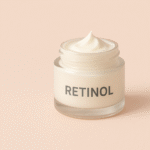
Ingredient 1: Retinol (Vitamin A) — The Gold Standard of Anti-Aging
If there is a single ingredient that the global dermatological community agrees upon as the most evidence-backed, clinically validated anti-aging active available without a prescription, it is retinol — the cosmetic form of Vitamin A.
How it works: Retinol accelerates cellular turnover — the rate at which old, damaged skin cells are shed and replaced by fresh, healthy ones. In young skin, this cycle completes approximately every 28 days. By the mid-thirties, this cycle slows to 40–60 days, allowing dull, damaged cells to accumulate on the skin surface. Retinol normalizes and accelerates this cycle.
Simultaneously, retinol stimulates fibroblast activity — the cells responsible for producing collagen and elastin. Clinical studies consistently demonstrate measurable increases in dermal collagen density following consistent retinol use, translating to firmer, more resilient skin with reduced fine lines over time.
Retinol also regulates melanin production by modulating the cellular signaling pathways that trigger hyperpigmentation — making it particularly valuable for Indian skin where pigmentation is a primary aging concern alongside structural changes.
How to use it safely for Indian skin: Begin with the lowest available concentration — 0.025% to 0.1% — applied every third night for the first two to four weeks. Gradually increase frequency to every other night, then nightly, as skin builds tolerance. Always apply to dry skin after cleansing, followed by moisturizer. Never apply retinol immediately before sun exposure — always use at night and follow with broad-spectrum SPF the following morning.
Indian skin, with its higher melanin content, can be more reactive to retinol irritation during the initial adjustment period (commonly called the retinization period). Starting low, going slow, and never skipping sunscreen are the foundational rules.
Recommended concentrations: Beginners: 0.025% to 0.1% Intermediate: 0.3% to 0.5% Experienced: 0.5% to 1%
Key products available in India: Minimalist Granactive Retinoid 2%, Derma Co 0.1% Retinol Serum, Neutrogena Rapid Wrinkle Repair, Olay Regenerist Retinol 24
Ingredient 2: Vitamin C (L-Ascorbic Acid) — The Brightening Antioxidant Powerhouse
Vitamin C is the essential complement to retinol in any comprehensive anti-aging routine — and for Indian skin specifically, its role extends beyond anti-aging into the critical territory of pigmentation management.
How it works for anti-aging: As a potent antioxidant, Vitamin C neutralizes the free radicals generated by UV exposure and pollution before they can degrade collagen fibers and damage cellular DNA. It serves as a cofactor in collagen synthesis — without adequate Vitamin C, newly produced collagen is structurally incomplete and breaks down prematurely. It inhibits tyrosinase enzyme activity — reducing melanin production and progressively lightening existing hyperpigmentation.
The Indian skin relevance: For Indian skin after 30, Vitamin C serum delivers a triple benefit that no other single ingredient matches: antioxidant protection against environmental aging drivers, collagen synthesis support, and targeted hyperpigmentation reduction. This makes it arguably the highest-priority morning routine ingredient for Indian skin in the post-30 category.
How to use it: Apply three to five drops to clean, dry skin every morning as the first active layer. Follow with moisturizer and mandatory broad-spectrum SPF. The combination of Vitamin C and SPF provides superior photoprotection compared to either used independently.
Effective concentrations: L-Ascorbic acid (most potent form): 10% to 20% Ascorbyl glucoside (gentler derivative): 2% to 10% Sodium ascorbyl phosphate (best for sensitive and acne-prone): 1% to 3%
Ingredient 3: Niacinamide (Vitamin B3) — The Multi-Tasking Skin Optimizer
Niacinamide has earned its status as perhaps the most versatile skincare active available — and its particular combination of benefits makes it exceptionally well-suited to the specific aging concerns of Indian skin after 30.
How it works: Niacinamide operates through multiple simultaneous mechanisms. It strengthens the skin barrier by stimulating the production of ceramides — the lipid molecules that maintain the skin’s protective outer layer. A strong, intact skin barrier retains moisture more effectively, recovers from environmental damage faster, and is less susceptible to the irritation that can trigger post-inflammatory hyperpigmentation in reactive Indian skin.
Niacinamide reduces melanin transfer from melanocytes (pigment-producing cells) to keratinocytes (surface skin cells) — directly reducing the appearance of dark spots and uneven tone. It regulates sebum production, making it particularly valuable for the combination and oily skin types that remain common in Indian adults well into their thirties and forties. It reduces the appearance of enlarged pores and improves skin texture. And it has demonstrated meaningful anti-inflammatory properties that protect against the inflammation-triggered aging cascade.
How to use it: Niacinamide is one of the most well-tolerated skincare actives available — suitable for use morning and evening, at concentrations ranging from 2% to 10%, and compatible with virtually every other skincare ingredient. Apply after Vitamin C serum in the morning, or as a standalone active in the evening routine.
Concentrations: 2% to 5%: Barrier strengthening and gentle brightening 5% to 10%: Active hyperpigmentation treatment, pore minimization, sebum control
Ingredient 4: Peptides — The Collagen Communication Molecules
Peptides represent one of the most exciting and rapidly evolving categories in anti-aging skincare — and their mechanism of action is elegantly logical.
How they work: Peptides are short chains of amino acids — the building blocks of proteins including collagen and elastin. When applied topically, certain peptides function as cellular messengers — signaling to fibroblasts (collagen-producing cells) that collagen has been degraded and that new production is required. This biological communication stimulates collagen synthesis without the irritation associated with retinol or the instability challenges of Vitamin C.
Different peptide types target different aspects of skin aging. Signal peptides (such as Matrixyl — palmitoyl pentapeptide-4) stimulate collagen production. Carrier peptides (such as copper peptides — GHK-Cu) deliver trace minerals essential for collagen synthesis. Neurotransmitter-inhibiting peptides (such as Argireline — acetyl hexapeptide-3) relax facial muscle contractions that contribute to expression lines.
Why peptides are ideal for Indian skin: Peptides deliver meaningful anti-aging benefits — collagen stimulation, improved firmness, reduced fine lines — without the irritation risk that makes retinol challenging for sensitive or reactive Indian skin types. They are compatible with all other skincare actives, work effectively at both morning and evening application, and have no photosensitizing effect — making them an excellent choice for those in high-UV Indian climates.
Key peptides to look for: Matrixyl 3000 (palmitoyl tripeptide-1 and palmitoyl tetrapeptide-7), Argireline (acetyl hexapeptide-3), Leuphasyl, GHK-Cu (copper peptides)
Ingredient 5: Hyaluronic Acid — The Master Hydrator
Hyaluronic acid (HA) is not a traditional anti-aging active in the way retinol or peptides are — but its contribution to the appearance of younger, healthier skin is so significant that it belongs in every anti-aging discussion for Indian skin after 30.
How it works: Hyaluronic acid is a naturally occurring glycosaminoglycan found abundantly in young skin, where it holds water molecules within the dermal matrix — maintaining the plumpness, bounce, and elasticity associated with youthful skin. From approximately age 25, the skin’s natural HA production begins declining. By 30, this decline is measurably affecting skin hydration levels and the plumpness that makes fine lines less visible.
Topically applied HA attracts and holds up to 1,000 times its weight in water — drawing moisture from the environment and from deeper skin layers to the surface, where it plumps fine lines, improves skin elasticity, and creates the visible glow associated with well-hydrated skin.
Multiple molecular weights matter: High molecular weight HA works at the skin surface, providing immediate visible plumping and a smooth, dewy finish. Low molecular weight HA penetrates more deeply, delivering hydration to the dermis where it supports structural integrity. The most effective HA serums contain a combination of multiple molecular weights for both immediate surface and deeper long-term hydration benefits.
How to use it for Indian skin: Apply HA serum to slightly damp skin immediately after cleansing — before other serums and before moisturizer. The presence of moisture on the skin surface gives HA molecules the water they need to swell and deliver their plumping effect. In India’s drier climate zones (particularly during winter months), follow immediately with an occlusive moisturizer to prevent HA from drawing moisture out of skin in low-humidity conditions — a paradoxical drying effect that can occur when atmospheric humidity is very low.
Ingredient 6: Alpha Hydroxy Acids (AHAs) — Chemical Exfoliants for Cellular Renewal
Alpha hydroxy acids — including glycolic acid, lactic acid, mandelic acid, and malic acid — are water-soluble chemical exfoliants that address multiple dimensions of skin aging simultaneously through their action on the skin’s surface and upper dermal layers.
How they work: AHAs dissolve the protein bonds between dead skin cells on the surface — allowing them to shed more efficiently and revealing the fresher, brighter cells beneath. This accelerated exfoliation immediately improves skin texture, radiance, and the appearance of fine lines. With consistent use, AHAs stimulate increased cellular turnover and collagen production in the dermis — contributing to structural anti-aging benefits over time.
Choosing the right AHA for Indian skin: This is where Indian skin specificity becomes critically important. Glycolic acid — the most commonly marketed AHA — has the smallest molecular size, which enables it to penetrate deeply but also makes it the most likely to cause irritation, redness, and post-inflammatory hyperpigmentation in reactive darker skin tones.
For Indian skin after 30, two AHAs are particularly well-suited:
Mandelic acid is derived from bitter almonds and has a significantly larger molecular size than glycolic acid — meaning it penetrates more slowly and gently, dramatically reducing irritation risk. It has demonstrated specific efficacy against hyperpigmentation and is considered the safest AHA choice for darker Indian skin tones.
Lactic acid is a gentler, hydrating AHA that exfoliates while simultaneously providing humectant moisture benefits. Well-tolerated by most Indian skin types and particularly effective for addressing dullness and uneven texture.
How to use AHAs safely: Begin with the lowest available concentration — 5% to 10% — applied every third evening. Increase frequency gradually as skin tolerance builds. Never apply AHAs on the same evening as retinol without building significant tolerance first. Always follow AHA use with broad-spectrum SPF the following morning — AHAs increase photosensitivity.
Ingredient 7: SPF (Broad-Spectrum Sunscreen) — The Non-Negotiable Anti-Aging Foundation
Sunscreen is not a skincare product in the conventional sense — it is the foundational prerequisite upon which every other anti-aging investment depends. No serum, cream, or treatment can compensate for the cumulative collagen destruction and pigmentation triggered by unprotected UV exposure.
The research is unambiguous: A landmark Australian study demonstrated that consistent daily sunscreen use reduces the rate of visible skin aging by 24% over a four-and-a-half year period compared to discretionary use. A single severe sunburn can generate enough free radical damage to accelerate local skin aging by years. Chronic, low-level UV exposure — the kind that occurs during commuting, indoor proximity to windows, and incidental outdoor time — is cumulatively more damaging than occasional intense exposure.
For Indian skin specifically: Despite the melanin advantage, Indian skin is not protected against UV-induced damage — it is merely slower to show it. The hyperpigmentation that constitutes the most visible aging concern in Indian skin after 30 is predominantly UV-driven. Without consistent, adequate sun protection, every other anti-aging ingredient in your routine is fighting against a tide of new UV-induced pigmentation and collagen damage.
What to look for: Broad-spectrum (UVA and UVB) protection, SPF 30 minimum (SPF 50 preferred for Indian climate), PA+++ or higher rating (indicates UVA protection standard), lightweight non-whitening formula appropriate for Indian skin tones (avoid zinc oxide-heavy formulations that leave a white cast on darker skin).
Recommended Indian market options: Minimalist SPF 50 Sunscreen, Re’equil Oxybenzone and OMC Free Sunscreen, Neutrogena Ultra Sheer Dry-Touch SPF 50+, La Roche-Posay Anthelios Invisible Fluid SPF 50+, Dot & Key Waterlight Sunscreen SPF 50
Ingredient 8: Ceramides — The Barrier Restoration Essentials
Ceramides are lipid molecules that form approximately 50% of the skin’s outer protective layer — the stratum corneum. Think of skin’s barrier structure as a brick wall: skin cells are the bricks, and ceramides are the mortar that holds them together, preventing water loss and blocking environmental aggressors from penetrating.
How ceramide loss relates to aging: Ceramide levels in skin decline with age — and this decline accelerates after 30, particularly in Indian skin exposed to harsh environmental conditions. As ceramides deplete, the skin barrier becomes increasingly permeable. Moisture escapes more readily, causing chronic dehydration. Environmental pollutants, irritants, and allergens penetrate more easily, triggering inflammation. And the compromised barrier amplifies the irritation risk of active anti-aging ingredients including retinol and AHAs.
How topical ceramides help: Topically applied ceramides — ideally in a combination of ceramide NP, ceramide AP, and ceramide EOP — replenish the skin’s lipid matrix, restoring barrier integrity, reducing transepidermal water loss, and creating the foundational skin health that makes every other anti-aging ingredient more effective and better tolerated.
For Indian skin types that experience sensitivity, compromised barrier function from pollution exposure, or irritation from active ingredients, ceramide-rich moisturizers are not optional extras — they are foundational infrastructure.
Key products: CeraVe Moisturizing Cream (widely available in India through e-commerce), Minimalist Ceramide Barrier Repair Moisturizer, Dr. Sheth’s Ceramide and Vitamin C Moisturizer
Ingredient 9: Kojic Acid — India’s Hyperpigmentation Specialist
Kojic acid is a natural compound derived from fungi — specifically from the fermentation process of certain Asian fungi including Aspergillus oryzae. It has been used in Japanese skincare for decades and has found particular resonance in Indian dermatological practice for its targeted efficacy against the hyperpigmentation concerns that define skin aging in darker complexions.
How it works: Kojic acid inhibits tyrosinase — the enzyme central to melanin production — through a copper chelation mechanism that is distinct from but complementary to Vitamin C’s tyrosinase inhibition. This dual inhibition from different molecular pathways makes the combination of kojic acid and Vitamin C particularly effective for stubborn hyperpigmentation.
Why it matters for Indian skin after 30: The dark spots, uneven patches, and generalized hyperpigmentation that become increasingly prominent in Indian skin after 30 — driven by cumulative UV exposure, hormonal fluctuations, and post-inflammatory responses — represent the most visible and psychologically impactful aging changes for many Indian women and men. Kojic acid directly addresses these concerns with clinical efficacy demonstrated across multiple peer-reviewed studies.
How to use it safely: Kojic acid is typically available in concentrations of 1% to 4% in serums and creams. Start with lower concentrations and apply every other evening. Kojic acid can cause contact dermatitis in some individuals — conduct a patch test before full-face application. Always follow with SPF the following morning.
Ingredient 10: Bakuchiol — The Retinol Alternative for Sensitive Indian Skin
Bakuchiol is a plant-derived compound extracted from the seeds and leaves of the Psoralea corylifolia plant — a herb with deep roots in both Ayurvedic medicine (where it is known as Babchi) and traditional Chinese medicine. In 2026, bakuchiol has firmly established itself as the most credible retinol alternative in evidence-based skincare.
How it works: Clinical research — including peer-reviewed studies published in the British Journal of Dermatology — has demonstrated that bakuchiol delivers retinol-comparable improvements in fine lines, skin firmness, and hyperpigmentation through a mechanism that functionally mimics retinol’s action on retinoid receptors without the characteristic irritation, dryness, and photosensitivity that retinol produces.
Why bakuchiol is particularly relevant for Indian skin: For Indian skin types that experience significant retinol irritation — including those with sensitive or reactive skin, those in hot and humid Indian climates where retinol-induced barrier disruption is particularly uncomfortable, or those who cannot use retinol due to pregnancy — bakuchiol offers genuine anti-aging efficacy without the adjustment challenges.
It is photostable — unlike retinol, it does not degrade in sunlight, meaning it can be used in morning routines without photosensitivity concerns. It has demonstrated anti-inflammatory properties that reduce rather than risk triggering the post-inflammatory hyperpigmentation that makes retinol-related irritation particularly consequential for Indian skin.
How to use it: Bakuchiol can be used morning and evening, needs no introduction period, and is safe during pregnancy — a significant advantage for women in their thirties who may be pregnant or planning pregnancy. Effective concentrations range from 0.5% to 2%.
Ingredient 11: Alpha Arbutin — The Safe Brightener for Indian Skin
Alpha arbutin is a glycoside derivative of hydroquinone — and this parentage is important. Hydroquinone is the most potent skin-lightening ingredient available, but its safety profile (particularly at high concentrations and with prolonged use) has led to restrictions and concerns. Alpha arbutin delivers targeted melanin inhibition with a significantly more favorable safety profile.
How it works: Alpha arbutin inhibits tyrosinase activity and melanosome maturation — reducing melanin production and the development of dark spots without the oxidative toxicity concerns associated with higher concentrations of hydroquinone. It is water-soluble, stable in formulation, and well-tolerated by most skin types.
For Indian skin specifically: Alpha arbutin at 1% to 2% is one of the most dermatologist-recommended brightening ingredients for Indian skin after 30. Its targeted action on melanin production — without the sensitization risk of stronger depigmenting agents — makes it ideal for the consistent, long-term use required to address the hyperpigmentation patterns that develop progressively through the thirties and forties.
It pairs exceptionally well with Vitamin C (complementary tyrosinase inhibition pathways), niacinamide (reduced melanin transfer to surface cells), and kojic acid (additional tyrosinase inhibition) for a comprehensive, multi-pathway approach to hyperpigmentation management.
Ingredient 12: Antioxidant Complexes — Vitamin E, Ferulic Acid, Resveratrol, and Green Tea Extract
Beyond Vitamin C, a broader category of antioxidant ingredients plays a critical supporting role in the anti-aging arsenal for Indian skin after 30. These compounds address the oxidative stress that is particularly intense in India’s high-UV, high-pollution environment.
Vitamin E (Tocopherol): Vitamin E is a fat-soluble antioxidant that works synergistically with Vitamin C — regenerating oxidized Vitamin C molecules and extending antioxidant activity. It simultaneously provides meaningful moisturization and barrier support. The combination of Vitamin C, Vitamin E, and ferulic acid represents the gold standard antioxidant trio in skincare research.
Ferulic Acid: A phenolic antioxidant found naturally in the cell walls of plants, ferulic acid stabilizes Vitamin C and Vitamin E in formulation while simultaneously providing independent antioxidant protection. Research has demonstrated that its addition to a Vitamin C and E formulation doubles the photoprotective benefit of the combination.
Resveratrol: A polyphenol found in red grapes and berries, resveratrol activates sirtuins — proteins that regulate cellular aging and stress resistance. As a topical ingredient, resveratrol provides antioxidant protection against free radical damage and has demonstrated preliminary evidence of collagen-supporting activity.
Green Tea Extract (EGCG): Epigallocatechin gallate (EGCG) from green tea is one of the most potent plant-derived antioxidants identified in skincare research. It protects against UV-induced DNA damage, has meaningful anti-inflammatory properties relevant to Indian skin’s pigmentation reactivity, and has demonstrated preliminary evidence of collagen synthesis stimulation.
Building Your Anti-Aging Routine for Indian Skin After 30
The most scientifically sound routine integrates multiple complementary ingredients without overwhelming skin or creating incompatible interactions.
Morning Routine
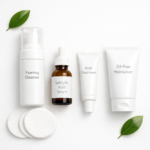
Step 1: Gentle pH-Balanced Cleanser Clean skin without stripping its natural protective barrier.
Step 2: Vitamin C Serum (10–20% L-Ascorbic Acid or stable derivative) Apply to dry skin. Allow 60–90 seconds to absorb fully.
Step 3: Niacinamide Serum (5–10%) Layer over Vitamin C after absorption.
Step 4: Hyaluronic Acid Serum Apply to slightly damp skin for maximum hydration benefit.
Step 5: Ceramide-Rich Moisturizer Seal in active ingredients and restore barrier integrity.
Step 6: Broad-Spectrum SPF 50 The non-negotiable final morning step. Reapply every two hours if outdoors.
Evening Routine
Step 1: Double Cleanse Oil cleanser followed by gentle foam or gel cleanser removes SPF, pollution, and makeup residue completely.
Step 2: AHA Exfoliant (2–3 times weekly) Mandelic or lactic acid on exfoliation nights. Skip on retinol nights.
Step 3: Retinol or Bakuchiol Serum Retinol on non-AHA nights. Bakuchiol can be used nightly if preferred or if retinol causes irritation.
Step 4: Peptide Serum or Alpha Arbutin Layer over retinol or bakuchiol for complementary anti-aging and brightening activity.
Step 5: Ceramide-Rich Moisturizer Essential after retinol use to support barrier integrity and minimize irritation.
Weekly Additions
- Kojic acid treatment mask: One to two times weekly for targeted hyperpigmentation management
- Sheet mask with hyaluronic acid and peptides: One to two times weekly for intensive hydration and anti-aging support
- Antioxidant facial oil: Apply over moisturizer two to three times weekly for enhanced antioxidant protection and barrier nourishment
Lifestyle Factors That Amplify Anti-Aging Skincare Results
The most sophisticated skincare routine cannot compensate for lifestyle factors that accelerate internal aging. For Indian skin after 30, these foundational habits are as important as any ingredient:
Hydration: Aim for two to three liters of water daily. Dehydrated skin makes fine lines appear deeper, texture appear rougher, and dullness appear more pronounced.
Sleep quality: Skin undergoes its most intensive repair during the deep sleep stages. Consistent seven to nine hours of quality sleep supports the cellular renewal processes that anti-aging ingredients are designed to stimulate.
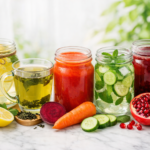
Diet: A diet rich in antioxidants — colorful vegetables and fruits, green tea, turmeric, omega-3 fatty acids from nuts and fish — provides the raw materials for skin repair and reduces the systemic inflammation that drives cellular aging.
Stress management: Chronic psychological stress elevates cortisol — a hormone that directly degrades collagen, triggers inflammation, and accelerates every measurable dimension of skin aging. Yoga, meditation, and adequate leisure time are not indulgences — they are legitimate anti-aging interventions.
No smoking: Smoking generates extraordinary quantities of free radicals in skin tissue, dramatically accelerates collagen degradation, and causes the characteristic smoker’s complexion — sallow, lined, and prematurely aged.
Frequently Asked Questions (FAQs)
FAQ 1: At what age should Indian women and men start using anti-aging skincare ingredients?
The ideal time to begin incorporating anti-aging skincare ingredients is the late twenties to early thirties — and this is not premature. Prevention is dramatically more effective than correction in skincare. Collagen production begins its measurable decline from approximately age 25, meaning that supporting collagen synthesis and protecting against oxidative damage before visible signs appear is far more efficient than attempting to reverse established aging changes later. The foundational anti-aging routine for someone in their late twenties is relatively simple: a Vitamin C serum in the morning, broad-spectrum SPF 50 daily, and a basic retinol or bakuchiol introduction in the evening. This three-ingredient foundation, maintained consistently through the thirties, provides substantially better outcomes than a complex multi-ingredient routine started in the mid-forties. For Indian skin specifically, adding niacinamide and a targeted hyperpigmentation ingredient such as alpha arbutin from the late twenties addresses the pigmentation patterns that typically intensify through the thirties.
FAQ 2: Can I use retinol if I have dark Indian skin without causing more pigmentation?
Yes — but with important caveats specific to Indian skin. Retinol is safe and effective for darker Indian skin tones, but the introduction process must be managed carefully to avoid the irritation-induced post-inflammatory hyperpigmentation that represents the primary risk. When retinol causes excessive irritation, peeling, or redness in darker skin, the inflammatory response can trigger melanocytes to produce additional pigmentation — the very outcome you are trying to prevent. The solution is not to avoid retinol but to introduce it with extreme gradualism: start at the lowest available concentration (0.025% to 0.1%), apply every third night, and always follow with a ceramide-rich moisturizer to support barrier integrity. Ensure your morning routine includes daily SPF 50 without exception — retinol-sensitized skin exposed to UV without protection is particularly vulnerable to new pigmentation. If irritation persists despite gradual introduction, bakuchiol is a clinically validated retinol alternative that delivers comparable anti-aging benefits without irritation risk.
FAQ 3: What is the most important anti-aging ingredient for Indian skin after 30?
If forced to identify a single most important anti-aging ingredient for Indian skin after 30, the dermatological consensus would point to broad-spectrum sunscreen — not a serum or treatment active. This may seem like an unsatisfying answer for those seeking sophisticated active ingredients, but the evidence is unambiguous: preventing UV-induced collagen degradation and melanin triggering is more impactful than any corrective treatment. Among active treatment ingredients, Vitamin C serum holds the highest priority for Indian skin after 30 — delivering antioxidant protection against the environmental aging drivers that are particularly intense in the Indian climate, supporting collagen synthesis, and directly addressing the hyperpigmentation that constitutes the most visible aging concern for Indian skin tones. For structural anti-aging targeting wrinkles and firmness, retinol (or bakuchiol for those who cannot tolerate retinol) represents the most evidence-backed evening active. The optimal approach combines all three: SPF in the morning with Vitamin C, and retinol or bakuchiol in the evening.
FAQ 4: How long does it take to see results from anti-aging skincare ingredients on Indian skin?
Realistic timelines vary significantly by ingredient and skin concern. For brightening and radiance from Vitamin C serum, most users notice improvement within three to four weeks of consistent daily use. For reduction of established dark spots and hyperpigmentation, a realistic expectation is eight to twelve weeks with consistent daily use of Vitamin C, alpha arbutin, or kojic acid combined with diligent SPF. For structural anti-aging benefits from retinol — improved firmness, reduced fine lines, improved skin texture — meaningful results typically require three to six months of consistent nightly use. Peptide-related improvements in skin firmness and fine line reduction similarly require a three to six month commitment. The single most important variable across all ingredients is consistency — occasional use produces occasional, temporary improvements. Transformative, lasting results require daily or near-daily application sustained over months. Indian skin’s higher melanin content means it responds more slowly to brightening interventions than lighter skin tones — patience is not optional, it is simply the reality of working with a higher melanin system.
FAQ 5: Can I use multiple anti-aging ingredients together or is that dangerous?
Multiple anti-aging ingredients can absolutely be used together — in fact, a thoughtfully layered multi-ingredient routine produces superior outcomes to any single ingredient used in isolation. The key is understanding which ingredients are compatible, which should be used in separate routine windows, and how to introduce multiple actives without overwhelming your skin’s tolerance. Safe and synergistic combinations include: Vitamin C with niacinamide and hyaluronic acid in the morning; retinol with ceramides and peptides in the evening; AHAs on evenings alternate to retinol use. Combinations to manage carefully include: retinol and AHAs on the same evening (can over-exfoliate and irritate — use on alternate nights), Vitamin C and benzoyl peroxide (BP oxidizes Vitamin C, rendering it ineffective — use in separate routine windows). The golden rule for introducing multiple actives is to add one new ingredient at a time, waiting two to four weeks before introducing the next. This approach allows you to identify any ingredient causing irritation and avoids the overwhelm that is the primary cause of barrier disruption and reactive skin in skincare-enthusiastic adults.