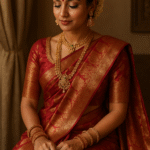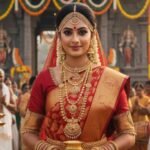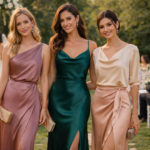
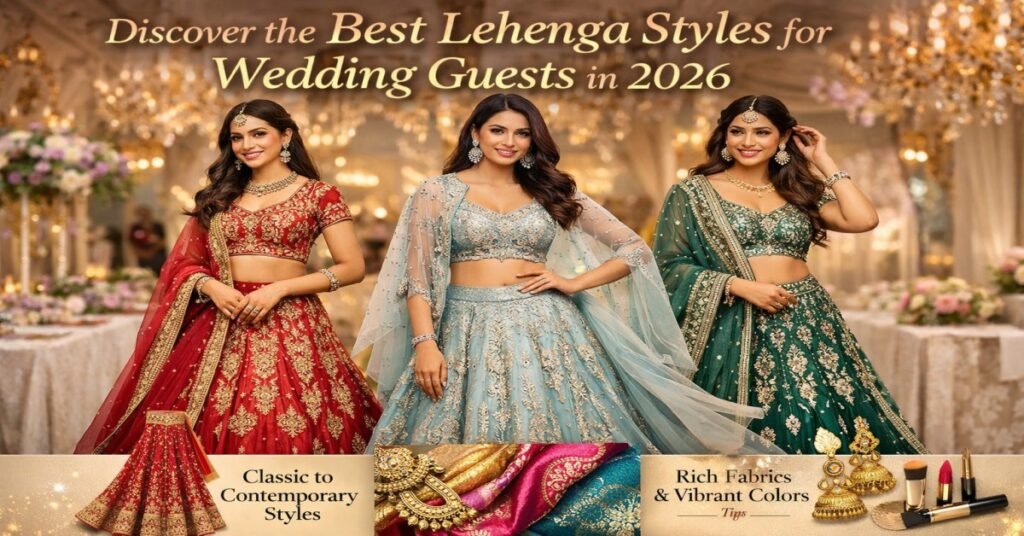
There is something undeniably magical about attending an Indian wedding. The colors, the music, the rituals, the food — every element combines to create an experience that is simultaneously grand and deeply personal. And at the heart of every wedding guest’s preparation lies one defining question: What should I wear?
For women who love South Asian fashion, the answer almost always circles back to one iconic garment — the lehenga choli. Elegant, versatile, culturally rooted, and endlessly adaptable to contemporary trends, the lehenga has remained the undisputed queen of wedding guest fashion for generations. But in 2026, the lehenga landscape has evolved dramatically — blending traditional craftsmanship with modern silhouettes, sustainable fabrics with digital-age aesthetics, and regional heritage with global runway influences.
Whether you are attending a grand Punjabi baraat, an intimate Rajasthani ceremony, a contemporary destination wedding, or a multi-day South Indian celebration, choosing the right lehenga style is both an art and a science. The perfect lehenga communicates respect for the occasion, expresses your personal style, flatters your body, and photographs beautifully in an era where every moment is documented and shared.
This comprehensive guide explores the best lehenga styles for wedding guests in 2026 — covering modern interpretations, timeless traditional designs, fabric choices, color palettes, styling advice, body-type guidance, and everything in between. Whether you are a seasoned lehenga enthusiast or navigating South Asian wedding fashion for the first time, this guide delivers everything you need to make a stunning, confident choice.
Understanding the Lehenga: A Brief Cultural Context
Before exploring specific styles, it is worth appreciating the cultural depth of the garment you are choosing.
The lehenga choli — sometimes called a ghagra choli — is a three-piece ensemble consisting of a fitted blouse (choli), a long flared skirt (lehenga), and a dupatta (veil or drape). Its origins trace back centuries across the Indian subcontinent, with distinct regional traditions evolving in Rajasthan, Gujarat, Punjab, Bengal, and beyond.
Historically, lehengas were associated with royalty and bridal wear, crafted from silk and velvet and embellished with gold zari embroidery, mirror work, and precious stones. Over time, the garment democratized and diversified — today it spans everything from heavily embellished bridal pieces to lightweight contemporary designs suitable for every wedding function and every budget.
In 2026, the lehenga has fully embraced its dual identity as both a cultural artifact and a global fashion statement. Indian and Pakistani designers are commanding international attention, and South Asian wedding fashion is influencing runways from New York to Milan.
Key Lehenga Trends Defining 2026
Before diving into specific styles, understanding the macro trends shaping lehenga fashion in 2026 provides essential context for making informed choices.
Trend 1: Sustainable and Handwoven Fabrics
Conscious fashion has moved from niche to mainstream. In 2026, brides and wedding guests alike are actively seeking lehengas crafted from handwoven textiles — Banarasi silk, Chanderi, Kanjivaram, and hand-block-printed fabrics — that support traditional artisan communities and reduce environmental impact. Organic dyes and natural fiber blends are commanding premium positioning.
Trend 2: Pastel and Earthy Color Dominance
While the bold jewel tones of traditional lehenga palettes remain relevant, 2026 has witnessed a decisive shift toward softer, more nuanced color stories. Dusty rose, sage green, warm terracotta, butter yellow, lavender mist, and antique ivory are dominating wedding guest fashion — offering a sophisticated alternative to the saturated reds and magentas of previous years.
Trend 3: Minimal Embellishment with Maximum Impact
The maximalist embellishment philosophy — every inch of fabric covered in sequins, zari, and beadwork — is giving way to a more restrained aesthetic. Designers are focusing embellishment strategically — a heavily worked border on an otherwise plain skirt, a delicately embroidered choli against a flowing plain dupatta — creating pieces that feel luxurious without visual overwhelm.
Trend 4: Fusion Silhouettes
The boundary between Western and South Asian fashion continues to dissolve. Cape-style dupattas, off-shoulder cholis, pre-draped lehenga sarees, trouser lehengas, and sharara-lehenga hybrids are all firmly established in the 2026 wedding guest wardrobe — offering style-conscious guests the best of both aesthetic worlds.
Trend 5: Embroidery Revivals
Traditional regional embroidery forms are experiencing a renaissance in 2026. Phulkari from Punjab, Chikankari from Lucknow, Kantha from Bengal, Kutch mirror work from Gujarat, and Zardozi from Mughal-era traditions are all being reimagined by contemporary designers in fresh color palettes and modern silhouettes.
The 12 Best Lehenga Styles for Wedding Guests in 2026
Style 1: The Classic A-Line Lehenga
Best for: All body types, all wedding functions, first-time lehenga wearers
The A-line lehenga is the foundation of the genre — and for good reason. Its silhouette flares gently from the waist downward, creating an elegant, universally flattering shape that works for virtually every body type and every occasion on the wedding calendar.
In 2026, the classic A-line has been refreshed with contemporary fabric choices and embellishment placement. Designers are pairing A-line skirts in luxurious Banarasi brocade with contrast cholis in complementary pastels, and introducing cape-style dupattas that add modern drama without disrupting the clean silhouette.
Fabric recommendations: Banarasi silk, raw silk, georgette, velvet Color palette for 2026: Dusty mauve, antique gold, sage green, deep teal Styling tip: A-line lehengas photograph exceptionally well at outdoor ceremonies. Choose a fabric with natural sheen for evening events to capitalize on ambient lighting.
Style 2: The Heavily Embellished Bridal-Adjacent Lehenga
Best for: Close family members, Sangeet and Mehndi functions, guests who love maximalist fashion
For guests who want to make a bold, unequivocal fashion statement without crossing the line of outshining the bride, the heavily embellished lehenga — executed in non-bridal colors — remains a spectacular choice in 2026.
Think dense Zardozi embroidery on a rich cobalt blue skirt, or intricate Resham threadwork covering an emerald green lehenga from waist to hem. The key distinction from bridal wear lies in color choice — avoid red, ivory, and heavy gold as primary colors, which are conventionally reserved for the bride.
Fabric recommendations: Velvet, silk organza, raw silk, net with lining Color palette for 2026: Cobalt blue, deep emerald, royal purple, burnt orange Styling tip: Balance a heavily embellished skirt with a relatively simpler choli. Over-embellishing both pieces simultaneously creates visual chaos. Let one element lead and the other support.
Style 3: The Sharara-Style Lehenga
Best for: Guests seeking a distinctive, fashion-forward silhouette; Mehndi and Sangeet functions
The sharara — a wide-legged palazzo pant that flares dramatically from the knee — has experienced a major revival in South Asian fashion over the past three years, and in 2026 it sits firmly at the intersection of traditional and contemporary wedding guest style.
Unlike a conventional lehenga skirt, the sharara’s divided construction makes it significantly more comfortable for dancing, moving through crowds, and navigating diverse venue terrain. For wedding guests who prioritize both style and practicality, this is a compelling alternative.
Contemporary sharara sets in 2026 are appearing in lightweight georgette and chiffon with delicate Chikankari embroidery — a refreshingly understated take on the silhouette that works beautifully for daytime and semi-formal wedding functions.
Fabric recommendations: Georgette, chiffon, crepe, light silk Color palette for 2026: Powder blue, mint green, blush pink, ivory with contrast borders Styling tip: Pair your sharara set with pointed-toe heeled sandals rather than traditional juttis — the elongated footwear counterbalances the volume of the wide-leg silhouette beautifully.
Style 4: The Cape Lehenga
Best for: Evening receptions, guests seeking a contemporary fusion look, cocktail-adjacent functions
The cape lehenga — where the dupatta is replaced or supplemented by a structured or flowing cape attached to the choli — is one of the defining silhouettes of 2026 wedding guest fashion. It represents the perfect marriage of Western tailoring sensibility and South Asian textile tradition.
Capes in 2026 come in multiple configurations. The full-length cape in sheer organza creates a dramatic, ethereal effect ideal for evening receptions. A three-quarter cape in embroidered net adds structure and visual interest to a simpler lehenga base. A cropped cape attached at the shoulders of the choli offers a more wearable, everyday-luxe interpretation.
Fabric recommendations: Organza, net, chiffon (for cape); silk, brocade (for skirt) Color palette for 2026: Midnight blue with silver, rose gold with nude, ivory with gold detailing Styling tip: Cape lehengas create exceptional photographs — the fabric movement in candid shots and first-look moments is particularly striking. Choose this style if your wedding venue includes open-air or garden settings where the cape can catch the breeze.
Style 5: The Floral Printed Lehenga
Best for: Daytime ceremonies, garden weddings, Haldi and Mehndi functions, summer weddings
Florals for weddings — far from groundbreaking, but executed with fresh sophistication in 2026, floral printed lehengas have evolved well beyond the basic block print into something genuinely covetable.
Contemporary floral lehengas feature large-scale digital print florals on lightweight fabrics like georgette and crepe — creating a painterly, almost watercolor aesthetic that photographs luminously in natural light. The key differentiator from casual floral fashion is the construction quality and pairing — a beautifully cut A-line skirt in digital floral print, paired with a solid embroidered choli and a contrast dupatta in a pulled-from-the-print accent color.
Fabric recommendations: Georgette, crepe, chiffon, cotton silk Color palette for 2026: Garden florals on ivory, tropical blooms on sage, winter florals on dusty blue Styling tip: Keep jewelry minimal with floral prints — the pattern is doing significant visual work. A single statement piece (bold earrings or a stack of delicate bangles) is sufficient. Avoid heavy necklaces that compete with the print.
Style 6: The Velvet Lehenga
Best for: Winter weddings, evening receptions, guests seeking regal drama
Velvet lehengas occupy a permanent position in the pantheon of wedding guest fashion, and 2026 has brought a fresh wave of enthusiasm for this most luxurious of fabrics. The appeal is straightforward — velvet catches light uniquely, drapes with extraordinary richness, and communicates an unambiguous sense of occasion.
In 2026, velvet lehengas are appearing in a broader color range than the traditional deep jewel tones. Dusty rose velvet with antique gold embroidery, sage green velvet with ivory threadwork, and mocha brown velvet with copper detailing represent the contemporary direction of this traditionally opulent style.
Fabric recommendations: Pure velvet, velvet with silk lining Color palette for 2026: Dusty rose, forest green, wine, deep plum, mocha Styling tip: Velvet is a cold-weather fabric by nature — save it for winter weddings and indoor evening receptions where air conditioning keeps temperatures comfortable. Polki jewelry (uncut diamond settings in gold) pairs magnificently with velvet lehengas.
Style 7: The Pastel Ombre Lehenga
Best for: Evening receptions, destination weddings, guests seeking a dreamy, editorial aesthetic
The ombre lehenga — where fabric transitions gradually from one color to another across the length of the skirt — has been a consistent favorite in South Asian wedding fashion, and 2026 brings a fresh refinement of the trend with softer, more sophisticated color transitions.
The most compelling 2026 ombre combinations move from pale champagne at the waist to soft blush at the hem, from mint green deepening to teal, or from butter yellow transitioning to warm amber. These are color stories that feel both romantic and grounded — far more wearable than the high-contrast ombre combinations of earlier years.
Fabric recommendations: Georgette, chiffon, silk organza (fabrics that take dyeing beautifully and move gracefully) Color palette for 2026: Champagne to blush, mint to teal, ivory to soft gold, lavender to deep purple Styling tip: Ombre skirts are inherently show-stopping — keep your choli in the lighter end of the ombre spectrum and choose a dupatta in the deeper end to tie the look together cohesively.
Style 8: The Embroidered Ethnic Lehenga (Regional Craft Focus)
Best for: Guests who appreciate heritage textiles, cultural purists, daytime ceremonies
One of the most meaningful fashion choices a wedding guest can make in 2026 is wearing a lehenga that celebrates a specific regional embroidery or textile tradition. This is fashion with provenance — garments that carry stories of craft communities, generational knowledge, and cultural identity.
Phulkari Lehenga (Punjab): Vibrant geometric threadwork on cotton or silk base fabric, traditionally in warm reds and oranges but now appearing in contemporary palettes. Joyful, energetic, and deeply rooted in Punjabi cultural identity.
Chikankari Lehenga (Lucknow): Delicate white-on-white or pastel shadow embroidery on lightweight muslin or georgette. Understated, elegant, and breathtakingly detailed — particularly suited to summer and daytime weddings.
Kutch Mirror Work Lehenga (Gujarat): Colorful fabric embellished with tiny circular mirrors that catch light magnificently. Bold, celebratory, and visually dynamic — perfect for Sangeet and Mehndi functions.
Kantha Lehenga (Bengal/Odisha): Running-stitch embroidery in colorful threads on silk or cotton — creating a distinctly artisanal, hand-crafted aesthetic that stands apart from machine-made embellishment.
Fabric recommendations: Depends on regional tradition — cotton, silk, muslin, georgette Styling tip: When wearing regional craft lehengas, research the tradition and wear it with knowledge and respect. Pair with regionally appropriate jewelry where possible for a cohesive, culturally informed look.
Style 9: The Sequin and Shimmer Lehenga
Best for: Evening receptions, cocktail functions, Sangeet nights, New Year and winter wedding season
For evening wedding functions — particularly reception parties and Sangeet nights that extend into late-night celebrations — the sequin lehenga delivers exactly what the occasion demands: maximum impact under artificial lighting.
In 2026, sequin lehengas have moved beyond the all-over mirror-ball aesthetic into more refined territory. Partial sequin coverage — a densely embellished border on a matte fabric skirt, or a scattered sequin pattern on a chiffon base — creates shimmer that feels luxurious rather than garish.
Fabric recommendations: Chiffon base with sequin overlay, net with sequin embellishment, georgette with scattered sequin placement Color palette for 2026: Champagne, silver, rose gold, bronze, midnight black with gold Styling tip: Sequin lehengas and dramatic earrings are a natural pairing. Skip the necklace if your earrings are statement pieces — under artificial lighting, a heavy necklace can compete with the shimmer of the fabric and create visual overload.
Style 10: The Indo-Western Fusion Lehenga
Best for: Contemporary destination weddings, cocktail receptions, fashion-forward guests
The Indo-Western lehenga represents the most experimental end of the wedding guest fashion spectrum — and in 2026, it is more wearable and more beautifully executed than ever before.
Key fusion elements appearing in 2026 collections include:
- Corset-style cholis with structured boning and hook-and-eye closures, replacing traditional drawstring blouse backs
- Off-shoulder and one-shoulder cholis that introduce a Western neckline to a traditional silhouette
- Trouser lehengas — wide-leg trousers with a lehenga-length overlay panel, creating a hybrid silhouette that reads as both pants and skirt
- Jacket cholis — longline blazer-style jackets worn over a simple lehenga skirt, particularly popular in western-influenced destination wedding contexts
Fabric recommendations: Structured fabrics for fusion silhouettes — crepe, duchess satin, brocade, raw silk Color palette for 2026: Monochromatic palettes (ivory on ivory, black on black with gold detailing), stark contrast combinations Styling tip: Indo-Western fusion lehengas pair most effectively with minimalist, contemporary jewelry — geometric earrings, sculptural cuffs, and delicate layered chains rather than traditional Kundan or Polki sets.
Style 11: The Pre-Stitched Lehenga Saree
Best for: Guests who love the elegance of a saree but prefer the ease of a lehenga; semi-formal functions
The pre-stitched lehenga saree occupies a brilliantly practical middle ground in wedding guest fashion. It combines the graceful drape and visual elegance of a traditional saree with the secure, fuss-free construction of a lehenga — making it ideal for guests who love the saree aesthetic but lack confidence in managing a traditionally draped six yards throughout a long wedding event.
In 2026, pre-stitched lehenga sarees in tissue silk, organza, and georgette with delicate borders are among the most quietly sophisticated choices a wedding guest can make.
Fabric recommendations: Tissue silk, organza, georgette, Banarasi fabric Color palette for 2026: Soft gold, peacock blue, deep rose, antique ivory Styling tip: Wear a fitted, minimal choli to let the drape of the pre-stitched saree component take visual center stage. Traditional jewelry — a Kundan necklace set or temple jewelry — completes the look with cultural coherence.
Style 12: The Minimalist Lehenga
Best for: Daytime ceremonies, intimate weddings, guests with understated personal style
Not every wedding guest wants to make a loud entrance — and in 2026, the minimalist lehenga has emerged as a genuinely compelling, fashion-forward alternative to heavily embellished traditional options.
The minimalist lehenga is defined by restraint: a single solid color or subtle texture, clean lines, minimal embellishment (perhaps a simple border or delicate motif embroidery), and a focus on exceptional fabric quality and precise tailoring. The result is a look that communicates quiet confidence and sophisticated taste.
Fabric recommendations: Pure silk, Chanderi, crepe, fine georgette Color palette for 2026: Stone, ecru, slate blue, dusty rose, warm taupe Styling tip: With minimalist lehengas, investment in accessories pays the highest dividend. A statement necklace, distinctive earrings, or an antique clutch elevate the understated base into a complete, memorable look.
Choosing the Right Lehenga for Your Body Type
One of the most important practical considerations in lehenga selection is understanding which silhouettes, fabrics, and embellishment placements work most flatteringly for your specific body proportions.
Petite frames: Choose lehengas with vertical embellishment patterns that draw the eye upward and elongate the silhouette. Avoid extremely heavy fabrics that can overwhelm a smaller frame. High-waisted skirts and shorter cholis create the illusion of longer legs.
Tall frames: Almost every lehenga silhouette works beautifully on taller frames. Heavily embellished, full-volume skirts look particularly spectacular. Avoid extremely high slits which can make proportions feel overly elongated.
Curvy and plus-size figures: A-line and circular-cut lehengas are universally flattering. Wrap-style cholis and V-necklines are particularly kind to fuller busts. Avoid stiff, structured fabrics that add bulk — choose fluid fabrics that drape naturally.
Athletic and straight figures: Experiment with ruffled and layered lehengas that add volume and create the illusion of curves. Embellished borders around the hem draw attention to the lower body and create shape.
Color Guide: What to Wear (and Avoid) as a Wedding Guest
Color selection is both a style decision and a cultural consideration when attending South Asian weddings.
Colors to embrace as a guest: Pastels, jewel tones (in non-bridal shades), earthy neutrals, deep blues, greens, purples, and oranges are all excellent choices for wedding guests across most regional traditions.
Colors to approach with caution:
- Red and deep crimson — traditionally bridal in many North Indian traditions; wearing red as a guest can be seen as upstaging the bride
- White and ivory — associated with mourning in Hindu traditions; best avoided unless the wedding specifically incorporates these as decor or dress code colors
- Heavy gold as a primary color — again, can read as competitive with bridal wear in certain cultural contexts
The safest, most stylish choices for 2026: Dusty rose, sage green, powder blue, warm terracotta, lavender, antique gold as an accent (not primary color), and deep teal.
Fabric Guide for 2026 Wedding Guest Lehengas
| Fabric | Best For | Season | Price Range |
|---|---|---|---|
| Banarasi Silk | Traditional ceremonies, evening events | All seasons | Premium |
| Georgette | Daytime functions, summer weddings | Spring/Summer | Mid-range |
| Velvet | Winter weddings, evening receptions | Winter | Premium |
| Chiffon | Daytime events, destination weddings | Spring/Summer | Mid-range |
| Raw Silk | Semi-formal functions, day-to-evening | All seasons | Mid to Premium |
| Organza | Evening receptions, modern fusion looks | All seasons | Mid to Premium |
| Chanderi | Minimalist aesthetic, daytime ceremonies | Spring/Summer | Mid-range |
| Net with lining | Heavily embellished looks, evening events | All seasons | Mid to Premium |
Accessorizing Your Lehenga: The Complete Guide
The most beautiful lehenga deserves equally thoughtful accessorization. Here is a concise framework for completing your wedding guest look.
Jewelry: Match jewelry metal to your lehenga’s embellishment undertone — gold embroidery calls for gold jewelry, silver embroidery calls for silver or oxidized metal, and mixed embellishment allows for layering. Kundan, Polki, Jadau, and temple jewelry are traditional choices; contemporary geometric designs work well with fusion lehengas.
Footwear: Traditional juttis (embroidered flat shoes) are culturally appropriate and practical for long wedding events. Heeled sandals add height and dress up the look. For fusion lehengas, block-heeled mules or pointed-toe stilettos are fashion-forward options.
Clutch: A minaudière or embroidered potli bag complements traditional and contemporary lehengas alike. Avoid large bags that disrupt the silhouette — keep it small, beautiful, and practical enough to hold your essentials.
Hair: Traditional options include elaborate updos adorned with fresh flowers or Mathapatti (headpiece jewelry). Contemporary guests increasingly opt for low buns, loose waves, or braids with delicate hair accessories. Match your hair style to the formality level of the specific function.
Makeup: A bold lip in deep rose, berry, or classic red makes a confident statement with most lehenga color palettes. For pastel lehengas, softer makeup with defined eyes and a nude lip creates a balanced, editorial look.
Budget Planning for Your Wedding Guest Lehenga in 2026
Understanding the market clearly helps set realistic expectations and make smart purchasing decisions.
Entry level (₹5,000 – ₹15,000 / $60 – $180): Ready-to-wear lehengas from established retail brands. Good construction, limited exclusivity. Ideal for guests attending multiple weddings who need cost-effective options.
Mid range (₹15,000 – ₹50,000 / $180 – $600): Designer diffusion lines, better fabric quality, more distinctive designs. Semi-customization often available. The sweet spot for most wedding guests seeking style and value.
Premium (₹50,000 – ₹1,50,000 / $600 – $1,800): Established designer labels, handcrafted embroidery, premium fabrics. Investment pieces that can be restyled for multiple occasions.
Luxury (₹1,50,000+ / $1,800+): Couture designer pieces, bespoke construction, museum-quality embroidery. For guests attending ultra-luxury weddings where fashion is itself a statement.
Where to Shop for Wedding Guest Lehengas in 2026
In India: Sarojini Nagar and Chandni Chowk (Delhi) for budget options; Lajpat Nagar for mid-range; Santushti Complex and designer boutiques in South Delhi, Mumbai’s Linking Road and Bandra for mid to premium; designer flagships in Mehrauli and DLF Emporio for luxury.
Online platforms: Myntra, Ajio, and Nykaa Fashion for accessible options; Pernia’s Pop-Up Shop, Aza Fashions, and Ogaan for curated designer selections; individual designer websites for bespoke commissions.
International: For the Indian diaspora in the United States, United Kingdom, Canada, and Australia, South Asian fashion boutiques in major cities carry curated selections. Online platforms including Darveys, Exclusively.in, and direct designer websites ship internationally with increasing efficiency.
Frequently Asked Questions (FAQs)
FAQ 1: What is the most appropriate lehenga style for a wedding guest who is not South Asian?
Non-South Asian guests are warmly welcomed in lehenga attire at Indian weddings — wearing traditional South Asian clothing is generally viewed as a gesture of cultural appreciation and respect. The most important guidelines are to avoid colors traditionally reserved for the bride (deep red, ivory, heavy gold as a primary color) and to choose a style that feels authentic and comfortable rather than costume-like. A classic A-line lehenga in a jewel tone or pastel, paired with appropriate jewelry and footwear, is an excellent and respectful choice. When in doubt, asking the bride or a South Asian friend for guidance is always appreciated.
FAQ 2: How far in advance should I order a lehenga for a wedding?
For ready-to-wear lehengas purchased from retail stores or online platforms, two to four weeks is generally sufficient, allowing time for shipping and any minor alterations. For semi-custom or made-to-measure lehengas ordered through boutiques or designer studios, a minimum of six to eight weeks is advisable — and during peak wedding season (October through February in India), extending this to three to four months is prudent. For bespoke couture pieces, six months or more is standard. Never underestimate the time required for alterations — even ready-to-wear pieces almost always require some tailoring for a perfect fit.
FAQ 3: Can I wear the same lehenga to multiple wedding functions?
Absolutely — and in 2026, restyling a lehenga across multiple functions is actively celebrated as both a sustainable and stylish choice. The key is varying your styling significantly between appearances. Change your dupatta draping style, switch your jewelry, alter your hair and makeup, and if possible, interchange the choli with a different blouse in a complementary color. A well-chosen lehenga can realistically be styled to look distinct across three or four different wedding functions within the same celebration weekend.
FAQ 4: What type of lehenga is best for an outdoor summer wedding?
Lightweight, breathable fabrics are essential for outdoor summer wedding comfort. Georgette, chiffon, Chanderi, and cotton silk lehengas in lighter colors (pastels, whites if culturally appropriate, soft florals) are the most practical and stylish choices. Avoid velvet, heavy silk, and densely embellished pieces that trap heat. A floral printed georgette lehenga or a Chikankari-embroidered set in a breezy fabric represents both fashion-forward and comfort-conscious dressing for summer celebrations.
FAQ 5: How should I care for and store my lehenga after the wedding?
Proper post-event care significantly extends the life of a quality lehenga. Allow the garment to air out for several hours before storing — never pack it immediately after wearing. Dry clean only, unless the care label specifically indicates hand-washing is safe. Store in a breathable cotton muslin bag rather than plastic — plastic traps moisture and can cause fabric deterioration and color transfer. Fold the lehenga carefully with acid-free tissue paper between layers to prevent embellishment scratching. Store in a cool, dry location away from direct sunlight, which can fade both fabric and embroidery colors over time.
FAQ 6: What jewelry works best with a pastel lehenga in 2026?
Pastel lehengas — one of the defining color stories of 2026 wedding guest fashion — pair most beautifully with jewelry that complements their softness rather than competing with it. Polki and Kundan sets in antique gold settings are a classic choice that adds warmth without overwhelming pastel tones. Pearl jewelry — whether traditional multi-strand sets or contemporary asymmetric designs — is another excellent pairing that enhances the delicate aesthetic of pastel fabrics. For a more contemporary approach, rose gold jewelry with semi-precious stone accents in corals, dusty pinks, or soft greens creates a cohesive, modern palette. Avoid very heavy, dark, or overly ornate jewelry with pastel lehengas — the goal is to enhance the softness of the color palette, not to anchor it with visual weight.