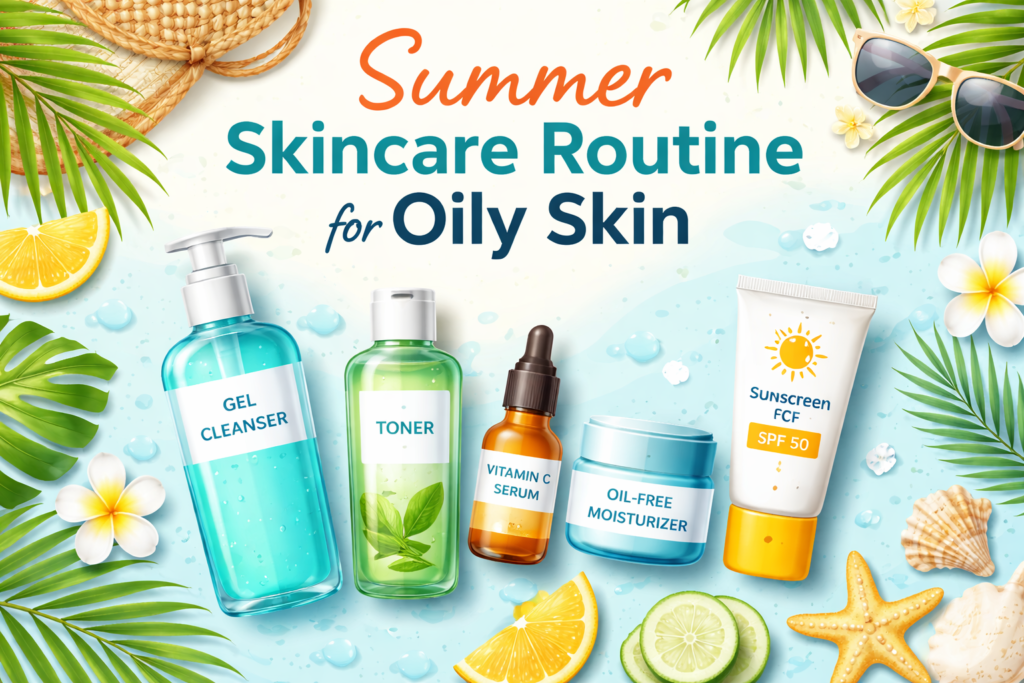
Summer can be the most difficult season for oily skin. Rising temperatures, humidity, sweat, pollution, and UV exposure increase sebum production, leading to excessive shine, clogged pores, acne breakouts, and enlarged pores.
If you struggle with greasy skin every summer, this detailed guide will help you build a science-based, balanced, and effective skincare routine specifically designed for oily skin in hot weather.
Why Oily Skin Gets Worse in Summer
During summer:
- Heat stimulates sebaceous glands.
- Humidity traps sweat and oil on the skin.
- UV rays thicken the outer skin layer.
- Dehydration causes rebound oil production.
- Pollution mixes with sebum and blocks pores.
The solution is not stripping your skin — it’s balancing oil production while maintaining a healthy skin barrier.
Morning Summer Skincare Routine for Oily Skin
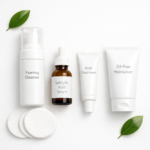
1. Gentle Oil-Control Cleanser
Start your day by removing excess oil accumulated overnight.
Choose:
- Gel-based or foaming cleanser
- Low pH formula (around 5.5)
- Salicylic acid (0.5%–2%) if acne-prone
- Niacinamide for oil control
Avoid:
- Soap-based cleansers
- High alcohol content
- Over-cleansing
How to use:
Massage for 30–40 seconds with lukewarm water. Wash only twice daily to prevent rebound oil production.
2. Alcohol-Free Toner (Optional but Helpful)
A toner can:
- Remove leftover sweat and oil
- Refresh overheated skin
- Improve absorption of serums
Look for:
- Green tea extract
- Aloe vera
- Niacinamide
- Alcohol-free witch hazel
Avoid harsh, drying formulas.
3. Lightweight Serum (Targeted Treatment)
Summer is ideal for light, fast-absorbing serums.
Best Serums for Oily Skin:
✔ Niacinamide (5–10%)
- Regulates sebum production
- Reduces pore appearance
- Strengthens skin barrier
✔ Vitamin C (Morning Antioxidant)
- Protects from sun damage
- Prevents pigmentation
- Brightens dull skin
Use 2–3 drops only. More product does not improve results.
4. Oil-Free Moisturizer (Do Not Skip)
Many people think oily skin doesn’t need moisturizer. This is incorrect.
When skin lacks hydration, it produces even more oil.
Choose:
- Gel-based moisturizer
- Water-based formula
- Non-comedogenic
- Lightweight texture
Look for:
- Hyaluronic acid
- Glycerin
- Panthenol
- Lightweight ceramides
Your skin should feel hydrated but not greasy.
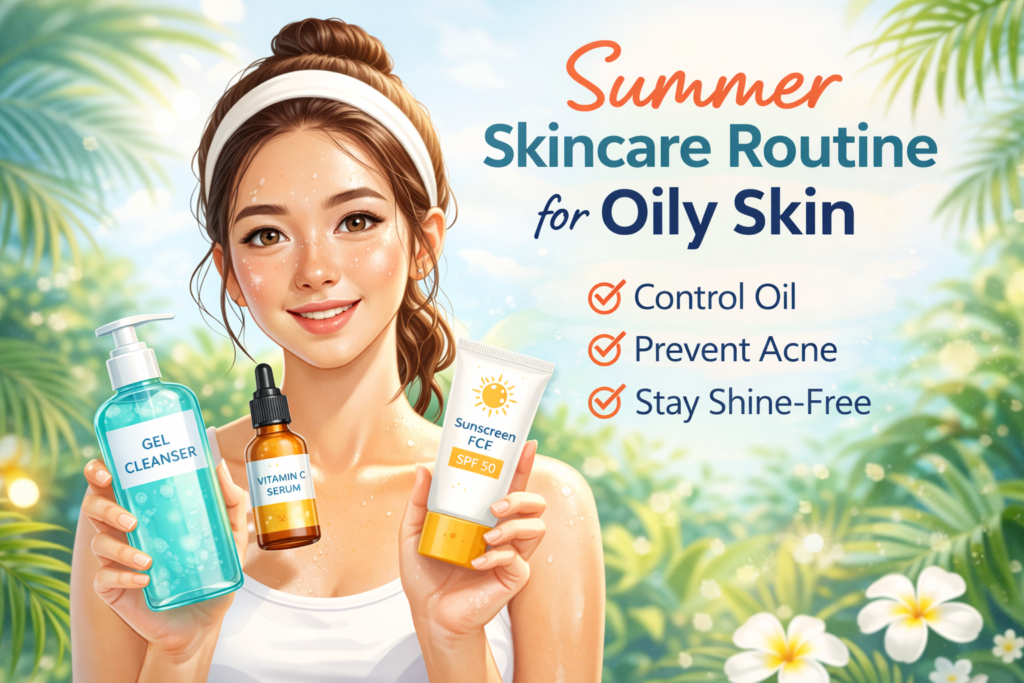
5. Sunscreen (Most Important Step)
UV exposure increases:
- Pigmentation
- Acne marks
- Premature aging
- Oil production
Choose:
- SPF 30 minimum (SPF 50 ideal)
- Broad spectrum (UVA + UVB)
- Matte or gel-based formula
- Sweat-resistant
Reapply every 2–3 hours, especially if outdoors.
Pro tip: Use sunscreen sticks or powder SPF for easy reapplication over makeup.
Night Skincare Routine for Oily Skin
Night is repair time. This is when active ingredients work best.
1. Double Cleansing (If Wearing Sunscreen or Makeup)
Step 1: Micellar water or lightweight cleansing oil
Step 2: Gel-based cleanser
This prevents clogged pores and acne.
2. Exfoliation (2–3 Times Weekly Only)
Oily skin benefits from chemical exfoliation.
Best Choice: Salicylic Acid (BHA)
- Penetrates oil-filled pores
- Reduces blackheads
- Controls acne
Avoid daily exfoliation or harsh scrubs.
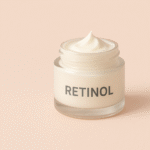
3. Retinol (Advanced Option for Acne & Pores)
For persistent acne or large pores:
- Low-strength retinol
- Adapalene (dermatologist-recommended)
Benefits:
- Improves texture
- Controls breakouts
- Reduces pore appearance
Use only at night.
Always apply sunscreen the next day.
4. Lightweight Night Moisturizer
Look for calming and repairing ingredients:
- Ceramides
- Centella asiatica
- Panthenol
- Hyaluronic acid
Weekly Treatments for Oily Skin in Summer
Clay Mask (1–2 Times Weekly)
Clay absorbs excess oil and deeply cleans pores.
Best options:
- Kaolin clay (gentle)
- Bentonite clay (deep cleanse)
Do not let the mask over-dry completely.
Diet & Lifestyle Tips for Oil Control
- Drink 2–3 liters of water daily
- Reduce fried and sugary foods
- Manage stress
- Sleep 7–8 hours
- Change pillowcases regularly
- Avoid heavy cream-based makeup
Common Summer Skincare Mistakes
❌ Washing face too frequently
❌ Skipping moisturizer
❌ Not reapplying sunscreen
❌ Using harsh alcohol toners
❌ Mixing too many active ingredients
Minimal Summer Routine (Simple Version)
Morning:
- Gel cleanser
- Niacinamide serum
- Oil-free moisturizer
- Matte sunscreen
Night:
- Cleanser
- Salicylic acid (alternate nights)
- Light moisturizer
How Long Before You See Results?
- Oil control: 2–3 weeks
- Acne reduction: 4–6 weeks
- Texture improvement: 6–8 weeks
Consistency matters more than expensive products.
Managing oily skin in summer requires balance. Focus on lightweight hydration, controlled exfoliation, and strict sun protection. When you regulate oil instead of aggressively removing it, your skin becomes clearer, smoother, and healthier over time.
Frequently Asked Questions
1. Why does my skin become oilier during summer?
Hot weather and humidity stimulate the sebaceous glands, increasing oil production. Sweat mixes with oil and dirt, which can clog pores and make the skin appear shinier. Heat and sun exposure also contribute to increased surface oiliness.
2. How many times should I wash my face in summer if I have oily skin?
Washing your face twice daily is usually enough. Over-washing can strip the natural skin barrier and trigger rebound oil production. If you sweat heavily, you may rinse with plain water instead of using cleanser multiple times.
3. Is sunscreen necessary for oily and acne-prone skin?
Yes, sunscreen is essential for all skin types. Sun exposure increases pigmentation, acne marks, and premature aging. Choose a lightweight, matte, non-comedogenic sunscreen with SPF 30 or higher to protect your skin without clogging pores.
4. Which ingredients are best for controlling oily skin in summer?
Ingredients such as niacinamide, salicylic acid, zinc, and green tea extract help regulate oil production and reduce breakouts. Hyaluronic acid can also be beneficial because it hydrates the skin without adding extra oil.
5. How often should I exfoliate oily skin during summer?
Exfoliating 2–3 times per week is generally sufficient. Chemical exfoliants like salicylic acid are preferred over harsh scrubs because they penetrate pores and reduce congestion without damaging the skin barrier.
6. Does drinking more water reduce oily skin?
Drinking enough water supports overall skin health and hydration, but it does not directly stop oil production. However, proper hydration helps maintain balanced skin function.
7. Is makeup bad for oily skin in summer?
Heavy, cream-based makeup can clog pores and increase shine in hot weather. Choosing oil-free, lightweight, and non-comedogenic products helps reduce breakouts and excess oil.
8. How long does it take to see improvement in oily skin with a proper routine?
With consistent skincare, reduced shine may be noticeable within 2–3 weeks. Improvements in acne and pore appearance typically take 4–8 weeks depending on product use and skin condition.