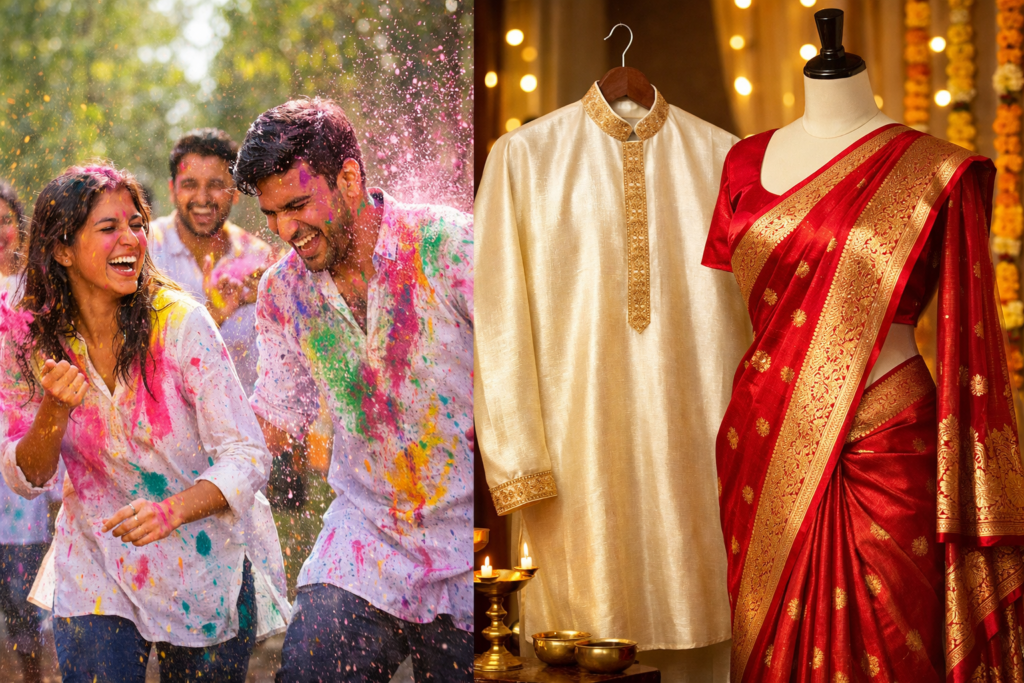

Holi is one of the most vibrant and joyful festivals in India. But while you’re planning your colors, sweets, and celebrations, choosing the right fabric matters just as much. The wrong material can leave you sweaty, stained, uncomfortable—or worse, with damaged clothing.
If you’re wondering “silk vs cotton for Holi—which is better?” this detailed guide will help you decide based on comfort, breathability, stain resistance, care, cost, and overall practicality.
🌿 Cotton Fabric for Holi
Why Cotton Is So Popular for Holi
Cotton is a natural fiber known for breathability and softness. During Holi—when you’re outdoors, moving, sweating, and getting splashed with water—cotton performs exceptionally well.
✅ Pros of Cotton for Holi
1. Highly Breathable
Cotton allows air circulation, which keeps your body cool during outdoor celebrations.
2. Sweat Absorbent
Holi often involves dancing, running, and playing under the sun. Cotton absorbs sweat effectively, reducing discomfort.
3. Comfortable on Skin
If you have sensitive skin, cotton is gentle and less likely to cause irritation—especially important when colors mix with sweat.
4. Affordable
Cotton outfits are generally budget-friendly. Since Holi clothes can get stained, it’s wise to wear something you won’t worry about ruining.
5. Easy to Wash
Cotton can usually handle strong detergents needed to remove stubborn Holi color stains.
❌ Cons of Cotton for Holi
- Wrinkles easily
- Can become slightly heavy when soaked in water
- Light-colored cotton may become slightly transparent when wet
✨ Silk Fabric for Holi
Is Silk a Good Choice for Holi?
Silk is luxurious, elegant, and smooth—but Holi is messy, wet, and color-filled. That contrast creates some practical concerns.
✅ Pros of Silk
1. Luxurious Look
Silk outfits look rich and festive—ideal for formal Holi gatherings or pujas.
2. Smooth Texture
Feels soft and premium on the skin.
3. Natural Temperature Regulation
Silk can feel cool in moderate weather.
❌ Cons of Silk for Holi
1. Extremely Stain-Prone
Silk absorbs color quickly, and Holi dyes can permanently damage the fabric.
2. Expensive
Silk garments are costly, making them risky for a festival where stains are inevitable.
3. High Maintenance
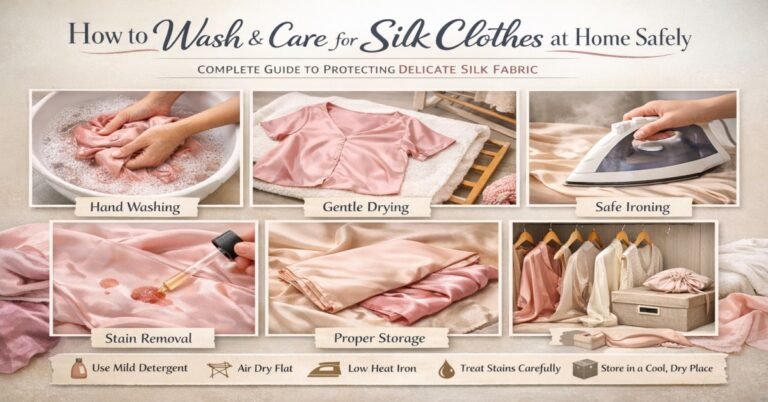
Most silk requires dry cleaning. Water exposure can cause watermarks or texture damage.
4. Less Practical for Active Play
Silk is delicate and may tear or snag easily during energetic celebrations.
Silk vs Cotton for Holi: Side-by-Side Comparison
| Feature | Cotton | Silk |
|---|---|---|
| Breathability | Excellent | Moderate |
| Sweat Absorption | High | Low |
| Comfort in Heat | Very Comfortable | Warm in Humidity |
| Stain Resistance | Moderate (washable) | Low (easily damaged) |
| Maintenance | Easy | High Maintenance |
| Cost | Affordable | Expensive |
| Best For | Playing Holi | Formal gatherings |
Which Fabric Is More Comfortable for Holi?
👉 For Active, Outdoor Holi
Cotton wins.
It’s breathable, absorbent, washable, and budget-friendly. Perfect for getting drenched in colors without worrying about damage.
👉 For Elegant Indoor Celebrations
Silk may work if you’re attending a formal Holi brunch or puja and not actively playing with colors.
Buying Guide: Best Fabric for Holi
If you’re shopping specifically for Holi, here’s what to prioritize:
1️⃣ Choose Lightweight Cotton
Look for:
- Pure cotton
- Mulmul cotton
- Cotton blends with slight stretch
2️⃣ Go for Light Colors
White or pastel shades show Holi colors beautifully and enhance the festive vibe.
3️⃣ Avoid Delicate Fabrics
Stay away from:
- Pure silk
- Chiffon silk
- Heavy embroidered garments
4️⃣ Consider Budget
Holi clothes may get permanently stained—so choose something affordable.
Expert Tip: What Most People Overlook
Many people focus only on appearance—but Holi involves:
- Heat
- Water
- Sweat
- Synthetic chemical colors
Cotton handles all of these better than silk. It’s more forgiving and easier to restore after washing.
Final Verdict: Silk vs Cotton for Holi
If your goal is maximum comfort, practicality, and peace of mind, cotton is clearly the best fabric for Holi.
Silk is beautiful—but Holi is not the occasion to risk luxury fabrics.
✔️ Choose Cotton If:
- You’re playing with water and colors
- You’ll be outdoors
- You want breathable comfort
- You don’t want to stress about stains
✔️ Choose Silk If:
- You’re attending a formal, color-free Holi event
- You won’t be exposed to water or dyes
When comparing silk vs cotton for Holi, cotton stands out as the clear winner for comfort and functionality. Holi is about joy—not worrying about ruined clothes.
If you’re preparing your festive outfit, go with breathable cotton and enjoy the celebration freely. 🌈
Frequently Asked Questions
Which fabric is best for playing Holi—silk or cotton?
Cotton is the best fabric for playing Holi. It is breathable, absorbs sweat well, handles water easily, and can be washed to remove Holi colors—making it far more practical than silk.
Can silk clothes be worn during Holi celebrations?
Silk can be worn only for formal, color-free Holi events such as pujas or brunches. It is not suitable for playing with colors because Holi dyes can permanently stain and damage silk fabric.
Do Holi colors stain cotton fabric permanently?
Holi colors may stain cotton if not treated properly, but cotton is much easier to clean than silk. Pre-soaking in cold water and washing with a strong detergent usually removes most stains.
Why is cotton more comfortable than silk during Holi?
Cotton allows airflow, absorbs sweat, and stays breathable even when wet. Silk traps heat and becomes uncomfortable in humid Holi conditions.
What color cotton clothes are best for Holi?
White and pastel-colored cotton clothes are ideal for Holi. They highlight vibrant colors beautifully while remaining lightweight and comfortable throughout the celebration.