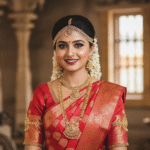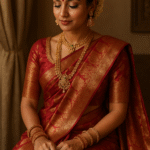
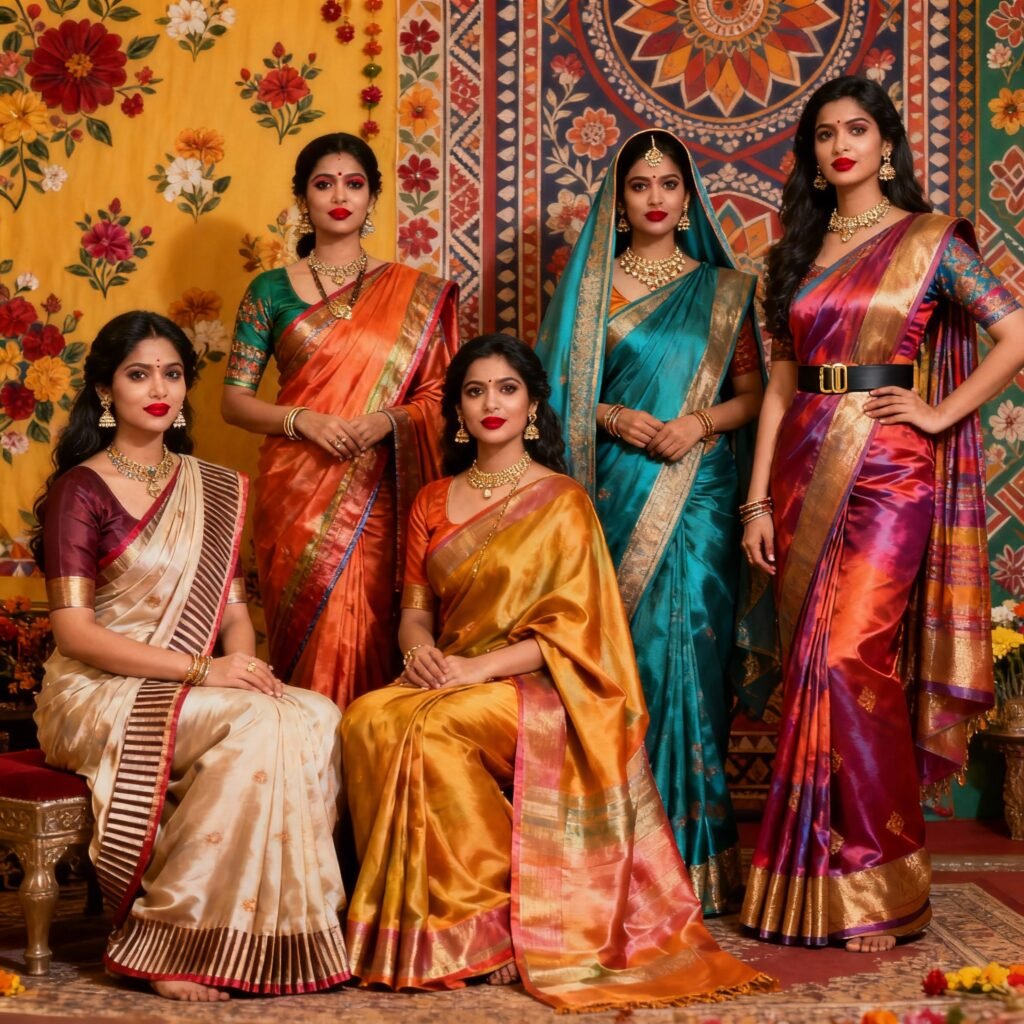
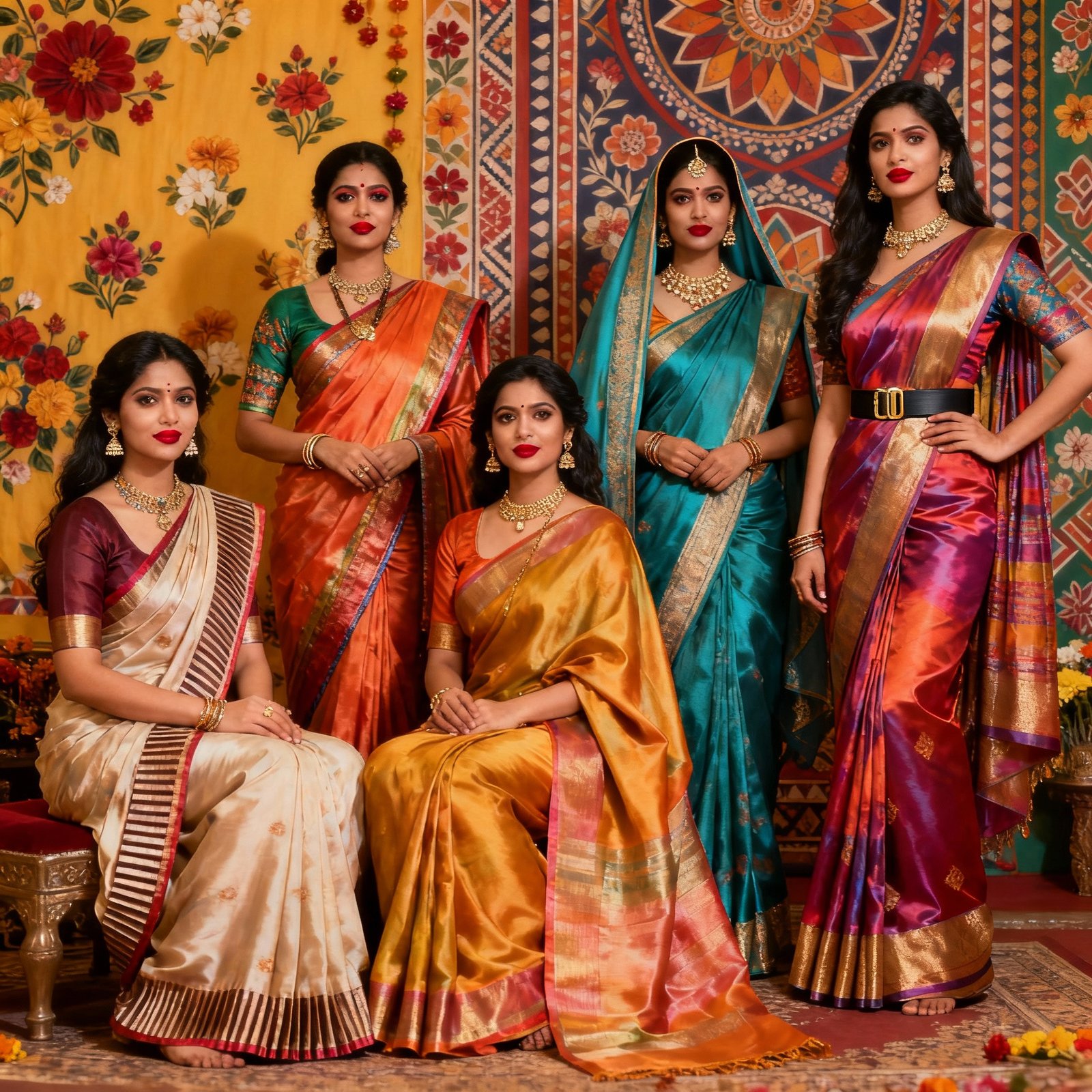
A silk saree isn’t just a piece of clothing — it’s a timeless expression of elegance, tradition, and identity. From the gentle rustle of Kanjivaram silk to the glossy sheen of Banarasi brocade, silk sarees have graced Indian wardrobes for generations. They symbolize sophistication, cultural pride, and the beauty of femininity.
But the magic doesn’t end with the fabric alone — how you drape your silk saree can completely redefine your style. Whether you’re attending a wedding, a festive celebration, or a corporate event, the way you wear your saree determines how it enhances your figure and presence.
Today, we’ll dive into 5 exquisite and distinct draping styles for your silk saree — each one rooted in Indian heritage but adaptable for modern fashionistas. 💃✨
🧵 Why Master Multiple Saree Draping Styles?
Learning multiple saree draping techniques gives you the freedom to reinvent your look with the same saree — just like changing an outfit entirely!
Here’s why experimenting with draping matters:
| 💎 Reason | 🌸 Description |
|---|---|
| 🎀 Style Versatility | Each drape gives a different vibe — from royal traditional to bold contemporary. |
| 💃 Comfort & Confidence | Some drapes are easier to move in, making them ideal for long ceremonies. |
| 📸 Photogenic Appeal | Different drapes highlight jewelry, pleats, and pallu in unique ways — great for pictures! |
| 🌈 Occasion Fit | You can pick drapes that align with the event — formal, festive, or casual. |
| 👗 Body Type Enhancement | Certain drapes enhance curves or add height, suiting every body shape. |
🪡 Essential Items Before You Start Draping
Before diving into the 5 styles, make sure you have these ready:
👚 1. Blouse:
Choose a well-fitted blouse. You can experiment with deep necks, backless designs, puff sleeves, or embellished patterns depending on your style.
🩳 2. Petticoat or Inskirt:
A silk-friendly satin or cotton petticoat matching the saree color gives structure and support. Tie it firmly around your waist.
👠 3. Heels (Optional):
If you wear heels, put them on before draping — this ensures the saree length is perfect.
📌 4. Saree Pins & Clips:
Keep safety pins handy to secure pleats and the pallu. Transparent or decorative pins can make a big difference in how neat your drape looks.
💍 5. Accessories:
A saree is incomplete without jewelry. Traditional earrings, bangles, and a waist belt (kamarbandh) elevate your look.
🪷 Drape Style 1: The Classic Nivi Style (Andhra Pradesh)
The Nivi drape is the most common and universally flattering saree style. Originating from Andhra Pradesh, it has evolved into the go-to style for formal, festive, and daily wear.
🪞 Why Choose Nivi Style?
- Easy to drape and manage.
- Highlights pleats and pallu beautifully.
- Looks graceful on all body types.
🧭 Step-by-Step Draping Guide:
- Start at your right waist: Tuck the plain end of the saree into the petticoat.
- Wrap around once: Take it full circle around your waist and bring it back to the starting point.
- Make front pleats: Form 5–7 pleats about 5 inches wide and tuck them neatly at the center of your waist.
- Throw the pallu: Drape the loose end (pallu) over your left shoulder. Adjust its length so it falls to your knees.
- Secure and style: Pin the pallu on your shoulder and arrange the pleats evenly.
💡 Style Tip:
Pair with a contrasting blouse or a designer belt for a chic modern twist.
🎀 Perfect For:
Office parties, festivals, weddings, or formal functions.
🪔 Drape Style 2: The Bengali Style Saree Drape (West Bengal)
The Bengali saree drape is dramatic, regal, and exudes cultural richness. You’ve probably seen this style in movies like Devdas or during Durga Puja festivities.
🪞 Why Choose Bengali Style?
- Ideal for heavy silk sarees with thick borders.
- Emphasizes elegance and grandeur.
- Best for festive looks.
🧭 Step-by-Step Draping Guide:
- Start at your right waist: Tuck the saree and wrap it around twice.
- Make broad pleats: Form large pleats at the front and tuck them neatly.
- Bring the pallu over the left shoulder: Let it hang till mid-calf.
- Now bring it back under the right arm: Drape it across your chest again and pin it on your right shoulder.
- Final touch: Traditionally, Bengali women tie a key ring or small ornament at the end of the pallu for added flair.
💡 Style Tip:
Adorn with bold red bindi, gold jewelry, and a bun decorated with flowers for a divine look.
🎀 Perfect For:
Durga Puja, weddings, and cultural events.
🌼 Drape Style 3: The Gujarati Style Saree Drape (Seedha Pallu)
The Gujarati or Seedha Pallu drape is the pride of Gujarat. It’s one of the most graceful drapes that keeps your pallu visible from the front — showcasing embroidery and patterns perfectly.
🪞 Why Choose Gujarati Style?
- Highlights the saree’s intricate pallu design.
- Perfect for festivals like Navratri or Garba.
- Adds a touch of traditional beauty with elegance.
🧭 Step-by-Step Draping Guide:
- Tuck the saree at the right side: Wrap it around once, forming pleats at the center.
- Take the pallu over your right shoulder: Instead of going left like the Nivi style, drape it to the right.
- Spread the pallu across the chest: Bring it diagonally across and pin the corner on your left shoulder.
- Secure pleats: Use a pin to hold the pallu firmly so it forms a V-shaped drape.
💡 Style Tip:
Add a choli-style blouse and statement earrings. This drape also pairs well with mirror-work belts.
🎀 Perfect For:
Navratri, sangeet, and family celebrations.
👑 Drape Style 4: Maharashtrian Nauvari Style (The 9-Yard Wonder)
The Maharashtrian Nauvari drape is a heritage look worn traditionally by Marathi brides and classical dancers. It’s powerful, feminine, and uniquely designed for comfort and movement.
🪞 Why Choose Nauvari Style?
- It gives a regal and bold appearance.
- Perfect balance of tradition and grace.
- Allows free movement (great for dancing or rituals).
🧭 Step-by-Step Draping Guide:
- Use a 9-yard saree: Unlike others (6 yards), this is longer.
- Start at your back waist: Tuck one end at the back, bringing it between your legs to the front.
- Form a dhoti shape: Tuck the fabric at the back to create a pant-like base.
- Wrap the remaining part: Bring the pallu over the left shoulder like Nivi style.
- Adjust pleats: Keep the front pleats neatly arranged and pin securely.
💡 Style Tip:
Add a nath (nose ring), green bangles, jasmine gajra, and a kamarbandh for a complete Maharashtrian look.
🎀 Perfect For:
Maharashtrian weddings, classical dance performances, or festive rituals.
🌹 Drape Style 5: Modern Belted Drape (Fusion Chic)
The Modern Belted Saree drape is all about combining Indian grace with western structure. This celebrity-favorite style is ideal for those who love experimenting while staying rooted in tradition.
🪞 Why Choose Belted Style?
- Adds a stylish and youthful vibe.
- Accentuates your waistline.
- Perfect for fashion-forward events.
🧭 Step-by-Step Draping Guide:
- Start with Nivi drape: Drape the saree traditionally with neat pleats.
- Tidy the pallu: Arrange and pin the pallu neatly on your left shoulder.
- Add the belt: Place a statement belt or embroidered kamarbandh around your waist.
- Finish with accessories: Minimal jewelry and heels elevate the modern appeal.
💡 Style Tip:
Pair with a designer blouse, such as off-shoulder or corset style, to enhance the fusion vibe.
🎀 Perfect For:
Receptions, fashion events, cocktail parties, or festive evenings.
🧵 Pro Styling Tips for Draping Silk Sarees Perfectly
| 💡 Tip | 🌼 Description |
|---|---|
| 📌 Pin Smartly | Use small safety pins at pleats and shoulders to avoid wardrobe mishaps. |
| 👠 Wear Heels First | Determines saree length and prevents excess fabric dragging. |
| 🧴 Handle Silk Gently | Avoid lotions or perfumes before draping to prevent stains. |
| 🧺 Iron Before Wearing | Use low heat steam to remove creases and make pleats crisp. |
| 💍 Accessorize Wisely | Choose jewelry that complements the silk — pearls, gold, or temple jewelry. |
| 💫 Experiment with Blouse Styles | Modern blouses (cape, halter, jacket-style) can refresh traditional drapes. |
🎨 Regional Variations You Can Try (Bonus Inspiration!)
If you love exploring, here are some more regional styles to try later:
| Region | Drape Style | Highlight |
|---|---|---|
| Tamil Nadu | Madisar | 9-yard saree, traditional Brahmin drape. |
| Kerala | Mundum Neriyathum | White-gold silk with simple elegance. |
| Assam | Mekhela Chador | Two-piece drape highlighting Assamese culture. |
| Odisha | Khandua Style | Worn with pleats to the side, ideal for Ikat silk sarees. |
🌺 Maintaining and Storing Silk Sarees
Silk sarees are delicate and valuable, so proper care ensures their beauty lasts for decades.
🧴 Washing:
- Avoid regular detergent — use mild silk-safe liquid soap.
- Prefer dry cleaning for expensive Kanjivaram or Banarasi silks.
☀️ Ironing:
- Always iron inside out on low heat.
- Place a thin cotton cloth over the saree while pressing.
🌬️ Storing:
- Wrap sarees in a muslin or cotton cloth.
- Keep them in a dry, cool place.
- Refold them every 3–4 months to prevent crease damage.
💫 Conclusion: The Saree as a Canvas of Self-Expression
A silk saree is more than fabric — it’s a living story of craftsmanship and culture. Each drape style tells a new chapter of that story — from the Nivi’s graceful flow to the bold Nauvari stance or the chic modern belted vibe.
When you drape a saree, you don’t just wear a garment; you wear heritage, confidence, and creativity.
So, next time you open your wardrobe, pick your favorite silk saree and experiment with these five draping styles. Be the showstopper of every celebration — elegant, radiant, and unapologetically you! 🌸✨
Frequently Asked Questions
What are the most popular ways to drape a silk saree?
The most popular drapes include the Nivi style, Bengali style, Gujarati style, Maharashtrian style, and modern fusion drapes. Each style highlights the saree’s texture, zari work, and pleats differently, giving a unique look for traditional or contemporary occasions.
How do I choose the right draping style for my body type?
For tall and slim figures, traditional Nivi or Bengali drapes work well. Petite frames can opt for modern or Gujarati styles that create an illusion of length. Heavier body types may prefer drapes with fewer pleats or layered pallu styles for a balanced silhouette.
Can silk sarees be draped for casual occasions or only for weddings and parties?
Yes! While silk sarees are often associated with weddings, lighter silk varieties like Tussar or Chanderi silk can be draped casually for festivals, family gatherings, or office events using simpler styles like the Nivi or modern pre-stitched drapes.
How long does it take to drape a silk saree in different styles?
For beginners, draping a saree can take 10–20 minutes, depending on the style. With practice, modern or pre-pleated drapes can be done in 5–10 minutes, while traditional styles like Bengali or Maharashtrian drapes may take slightly longer due to multiple pleats and tucks.
Are there accessories that enhance silk saree drapes?
Yes! Accessories like brooches, waist belts, pins, and statement jewelry can hold the saree in place while enhancing the overall look. For modern drapes, minimalistic belts or decorative pins help maintain pleats and add a stylish touch.