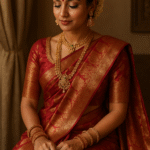
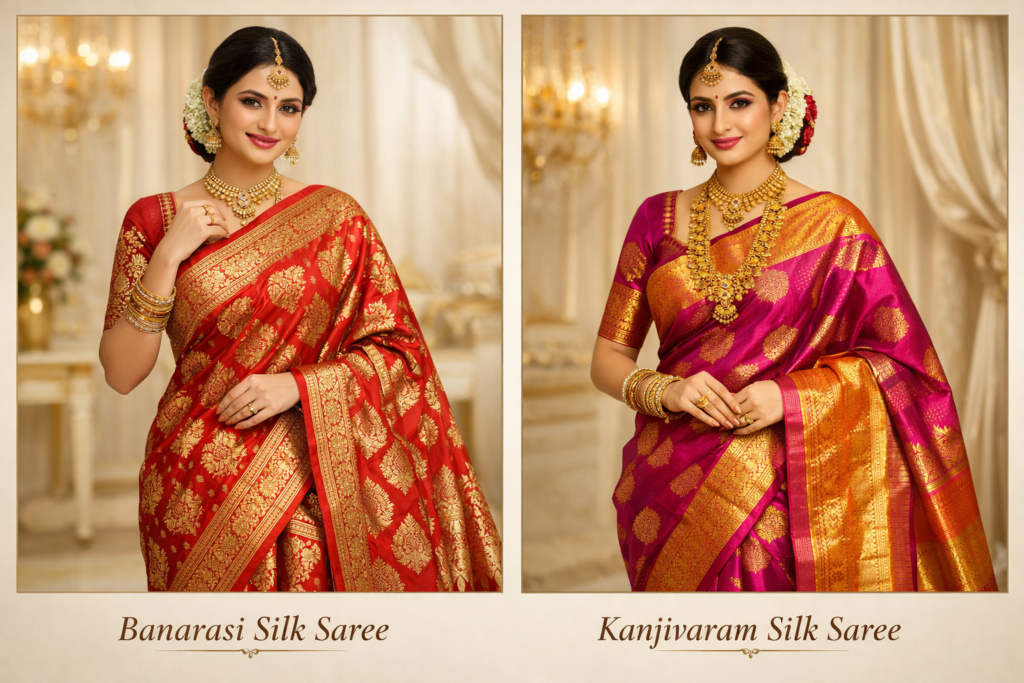
Silk sarees are not just traditional attire—they are living legacies of Indian craftsmanship. Among the countless silk varieties woven across India, Banarasi and Kanjivaram silk sarees stand at the pinnacle of luxury, heritage, and elegance. Both are celebrated for their royal appeal, bridal significance, and timeless beauty.
But when it comes to choosing Banarasi vs Kanjivaram silk sarees, many women ask:
Which is better? Which is more valuable? Which suits modern bridal fashion?
This detailed comparison answers every question—covering heritage, weaving techniques, design philosophy, durability, comfort, investment value, and styling—so you can make an informed and confident choice.
Understanding the Legacy of Indian Silk Sarees
India is the world’s largest producer of silk, and its sarees reflect centuries of cultural refinement. Banarasi and Kanjivaram sarees are protected under Geographical Indication (GI) tags, ensuring authenticity and preserving artisan heritage.
Both sarees are considered heirloom pieces—often passed down across generations.
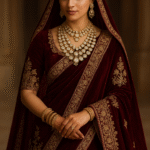
Banarasi Silk Sarees: Grace Woven in Gold
Origin & Heritage
Banarasi silk sarees originate from Varanasi (Banaras), Uttar Pradesh, one of the world’s oldest living cities. Influenced heavily by Mughal art, Banarasi sarees are known for their intricate detailing and poetic elegance.
Weaving & Craftsmanship
- Crafted using fine silk yarns
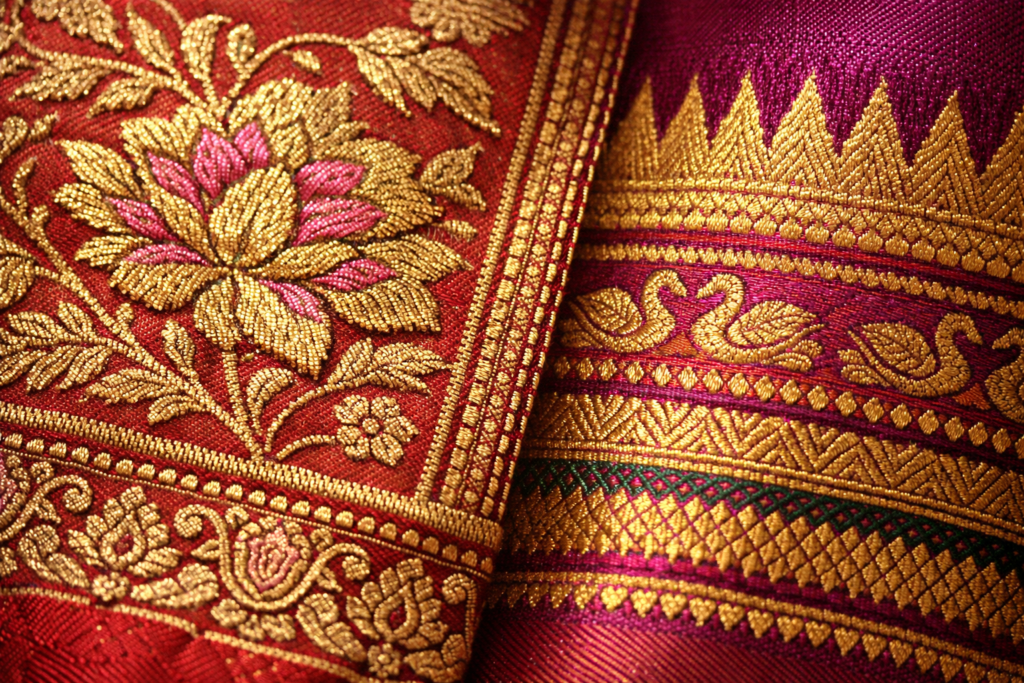
- Woven on handlooms with gold or silver zari
- Patterns include Jaal work, floral vines, paisleys, and Mughal motifs
- Creation can take 15 days to several months
Fabric Feel & Appearance
- Soft, smooth, and lightweight
- Naturally glossy finish
- Drapes effortlessly and feels luxurious on skin
Why Banarasi Sarees Are Loved
✔ Elegant and feminine
✔ Ideal for long wedding rituals
✔ Easier to carry than heavier silks
✔ Perfect blend of tradition and modern fashion
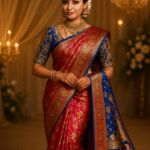
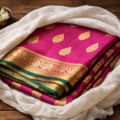
Kanjivaram Silk Sarees: The Queen of South Indian Silks
Origin & Heritage
Kanjivaram silk sarees come from Kanchipuram, Tamil Nadu, a temple town famous for its rich weaving tradition. These sarees symbolize strength, prosperity, and royalty.
Weaving & Craftsmanship
- Made using pure mulberry silk
- Zari is woven separately and interlocked using the Korvai technique
- Thick silk threads make the saree extremely durable
- Motifs inspired by temples, mythology, peacocks, and nature
Fabric Feel & Appearance
- Heavy and structured
- Crisp texture with a grand fall
- Rich contrast borders and dramatic pallus
Why Kanjivaram Sarees Are Iconic
✔ Exceptional durability
✔ Strong investment value
✔ Deep traditional appeal
✔ Ideal for grand weddings and rituals
Banarasi vs Kanjivaram Silk Sarees: Detailed Comparison
| Feature | Banarasi Silk Saree | Kanjivaram Silk Saree |
|---|---|---|
| Region | Varanasi, North India | Kanchipuram, South India |
| Weaving Style | Fine brocade weaving | Korvai interlocking |
| Weight | Lightweight to medium | Heavy and structured |
| Texture | Soft & fluid | Thick & crisp |
| Motifs | Floral, Mughal, jaal | Temple, peacock, checks |
| Borders | Slim to medium | Wide & bold |
| Comfort | High for long wear | Moderate due to weight |
| Durability | Good | Excellent (heirloom-grade) |
| Price Range | Moderate to premium | Premium to luxury |
| Bridal Preference | Modern & North Indian brides | Traditional South Indian brides |
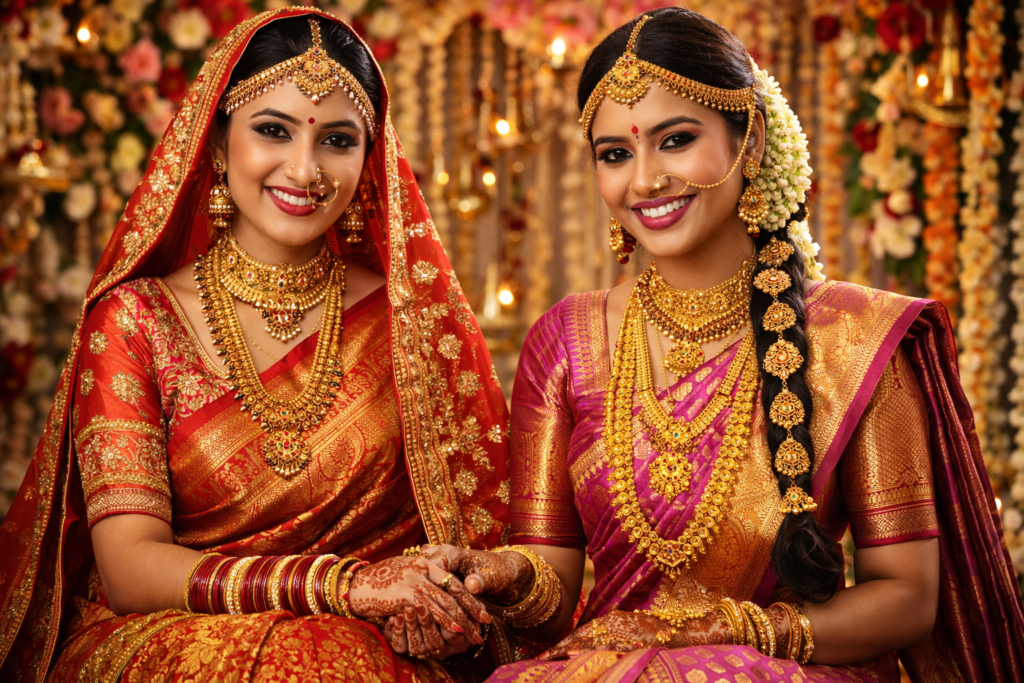
Which Saree Is Better for Brides?
There is no universal winner—it depends on bridal style and ceremony type:
Choose Banarasi Silk If You Want:
- Lightweight elegance
- Romantic, intricate detailing
- Comfortable draping for long events
- Modern bridal photography appeal
Choose Kanjivaram Silk If You Want:
- Grand, royal presence
- Heavy silk with bold contrast
- Traditional wedding rituals
- A saree that lasts generations
💡 Many brides today include both sarees—Banarasi for reception and Kanjivaram for the wedding ceremony.
Durability & Long-Term Value
- Banarasi sarees retain beauty with careful handling but require delicate storage.
- Kanjivaram sarees are extremely durable and often appreciate in sentimental and monetary value.
Proper care ensures both sarees remain stunning for decades.
Maintenance & Care Tips (Essential for Longevity)
- Always dry clean silk sarees
- Store wrapped in muslin cloth
- Avoid plastic covers
- Refold every 6 months to prevent zari damage
- Keep away from moisture and direct sunlight
Modern Fashion Trends: Banarasi vs Kanjivaram
- Banarasi silk is trending in pastel shades, contemporary blouses, and fusion styling
- Kanjivaram silk remains evergreen but is now seen in dual tones and minimalist motifs
Both styles are evolving without losing tradition.
Investment Perspective: Which Holds More Value?
From a luxury and heritage viewpoint:
- Kanjivaram sarees are often considered stronger investments due to silk thickness and durability.
- Banarasi sarees offer exceptional aesthetic value and are more versatile for repeated wear.
Final Verdict: Banarasi or Kanjivaram – Which Is Better?
The answer lies in your personal style, occasion, and emotional connection.
- If you seek soft elegance and artistic detailing, Banarasi silk is unmatched.
- If you desire royal grandeur and lasting legacy, Kanjivaram silk stands supreme.
Both sarees are treasures—owning either means embracing India’s rich textile heritage.
Banarasi vs Kanjivaram Silk Sarees – FAQs
Which is better: Banarasi or Kanjivaram silk saree?
Both sarees are premium and timeless. Banarasi silk is lighter with intricate Mughal designs, while Kanjivaram silk is heavier, more durable, and ideal for traditional weddings.
Which silk saree is best for bridal wear?
Kanjivaram silk sarees are preferred for traditional bridal ceremonies due to their rich texture and durability, while Banarasi silk sarees are popular for receptions and engagements.
Is Banarasi silk lighter than Kanjivaram silk?
Yes, Banarasi silk sarees are generally lighter and softer, making them easier to drape and comfortable for long hours.
Why are Kanjivaram silk sarees more expensive?
Kanjivaram sarees use thick mulberry silk and pure zari with a complex weaving technique, making them highly durable and premium in value.
How can I identify a genuine Banarasi silk saree?
Authentic Banarasi sarees have fine silk texture, detailed zari work, and a soft sheen. GI tags and handloom weaving are strong indicators of originality.
Do Banarasi and Kanjivaram sarees have GI tags?
Yes, both Banarasi and Kanjivaram silk sarees are protected under Geographical Indication (GI) tags, ensuring authenticity and heritage value.
Which silk saree lasts longer?
Kanjivaram silk sarees are known for exceptional durability and can last generations if properly maintained.
Can silk sarees be worn in summer?
Yes, especially Banarasi silk sarees, as they are lighter and more breathable compared to heavier silks.
How should silk sarees be stored?
Silk sarees should be wrapped in muslin cloth, stored in a dry place, and refolded every few months to protect zari and fabric.
Which saree is better for investment purposes?
Kanjivaram silk sarees are often considered better investments due to their durability, craftsmanship, and long-term heirloom value.