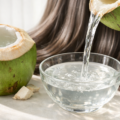
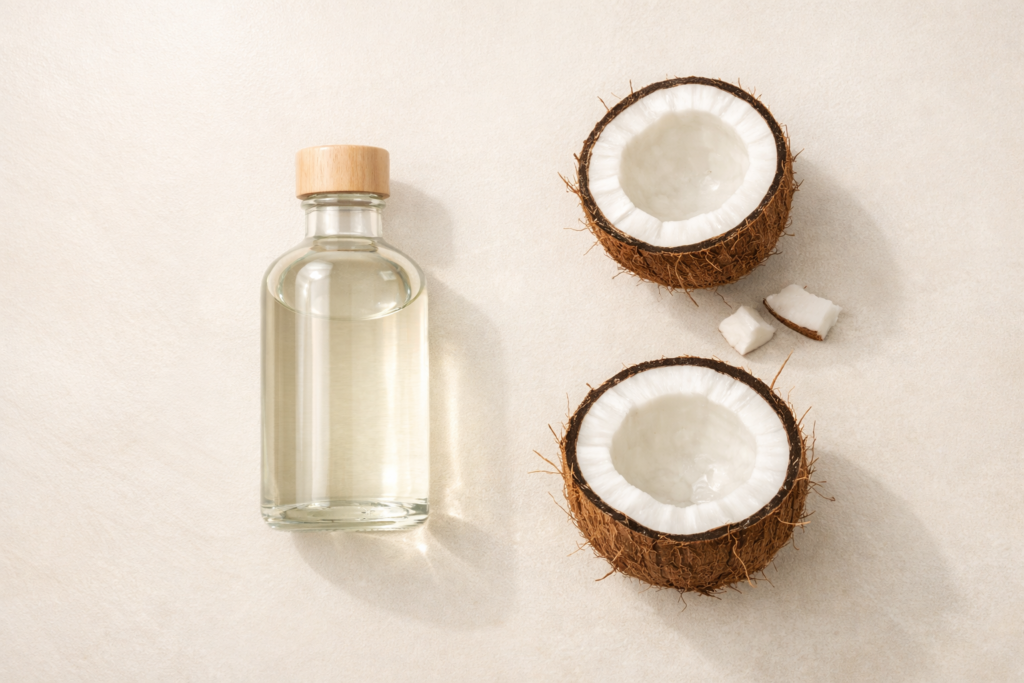
Coconut oil has been used for centuries in traditional beauty and wellness practices, especially in tropical regions. Extracted from mature coconuts, this natural oil is rich in fatty acids, antioxidants, and vitamins that support overall skin health. Today, coconut oil is widely appreciated as a multifunctional skincare ingredient that helps with moisturizing, anti-aging, acne control, and skin barrier repair.
This article explores the science-backed benefits of coconut oil for skin care in a detailed, original, and non-copyrighted format suitable for high-quality website content.
1. Coconut Oil as a Deep Natural Moisturizer
One of the most well-known benefits of coconut oil is its powerful moisturizing ability. Coconut oil is rich in medium-chain fatty acids, especially lauric acid, capric acid, and caprylic acid. These fatty acids help replenish lost moisture and soften dry, rough, or flaky skin.
How It Works
- Coconut oil is an occlusive moisturizer, meaning it seals moisture into the skin and prevents water loss.
- Its small molecular structure allows it to penetrate deeper layers of the skin compared to many synthetic moisturizers.
- It supports the skin’s natural lipid balance, making it particularly helpful for dry and dehydrated skin types.
Who Benefits Most
- People with dry or very dry skin
- Individuals exposed to harsh weather, air conditioning, or frequent cleansing
- Those looking for a simple, fragrance-free moisturizing option
When used consistently, coconut oil helps restore softness, smooth texture, and a healthy glow to the skin.
2. Anti-Aging Benefits of Coconut Oil
Coconut oil contains antioxidants and essential nutrients that help slow visible signs of skin aging. Over time, factors like sun exposure, pollution, and stress break down collagen and elastin, leading to fine lines, wrinkles, and sagging skin.
Anti-Aging Properties
- Coconut oil contains vitamin E, which helps protect the skin from oxidative stress caused by free radicals.
- Antioxidants reduce premature aging by minimizing damage to skin cells.
- Regular use helps improve skin elasticity and smoothness.
Collagen Support
While coconut oil does not directly increase collagen production, it helps preserve existing collagen by reducing dryness and environmental damage. Well-hydrated skin appears plumper and more youthful, making fine lines less noticeable.
Using coconut oil as a night moisturizer or facial massage oil can support long-term skin resilience and a youthful appearance.
3. Coconut Oil for Acne Control and Blemish Care
Coconut oil is often debated in acne skincare, but when used correctly, it can offer benefits for certain skin types.
Antibacterial and Antimicrobial Action
- Lauric acid in coconut oil has natural antibacterial properties.
- It helps combat acne-causing bacteria that contribute to breakouts and inflammation.
- The oil also has mild antifungal properties, which can benefit skin prone to infections.
Reducing Inflammation
Coconut oil helps calm redness, irritation, and swelling associated with acne. Its soothing nature makes it useful for post-acne care, especially for reducing dryness caused by harsh acne treatments.
Important Note
Coconut oil is comedogenic, meaning it can clog pores for oily or acne-prone skin types. It is best suited for:
- Dry or combination skin with occasional breakouts
- Spot treatment on dry, irritated areas
- Body acne rather than facial acne
For acne-prone facial skin, patch testing and minimal use are strongly recommended.
4. Skin Barrier Repair and Protection
The skin barrier is responsible for keeping moisture in and irritants out. When this barrier is damaged, skin becomes dry, sensitive, itchy, and more prone to breakouts and infections.
How Coconut Oil Supports the Skin Barrier
- Coconut oil replenishes essential lipids that strengthen the outermost layer of the skin.
- It helps reduce transepidermal water loss (TEWL), keeping skin hydrated for longer periods.
- Its emollient nature smooths cracks and rough patches, improving overall skin comfort.
Ideal for Compromised Skin
Coconut oil is particularly beneficial for:
- Over-exfoliated skin
- Skin exposed to harsh soaps or chemicals
- Mild eczema-prone or sensitive skin (under professional guidance)
Consistent use helps restore balance and resilience to weakened skin barriers.
5. Additional Skin Benefits of Coconut Oil
Beyond the core benefits, coconut oil offers several supplementary advantages:
Natural Makeup Remover
Coconut oil effectively dissolves makeup, sunscreen, and impurities without stripping the skin. It leaves skin clean, soft, and nourished.
Healing and Soothing Properties
- Helps soothe minor cuts, burns, and skin irritation
- Supports faster skin recovery due to its antimicrobial properties
Improves Skin Texture
Regular application can improve skin smoothness, reduce rough patches, and enhance natural radiance.
6. How to Use Coconut Oil Safely in Skincare
To maximize benefits and avoid side effects, proper usage is essential.
Best Practices
- Choose virgin, cold-pressed, unrefined coconut oil for skincare use
- Use a small amount and warm it between your palms before applying
- Apply on slightly damp skin to lock in moisture
- Perform a patch test before first use
Frequency of Use
- Dry skin: Daily or nightly use
- Normal skin: 2–3 times per week
- Oily or acne-prone skin: Limited use or avoid facial application
7. Who Should Avoid Coconut Oil on Skin
Coconut oil may not be suitable for everyone. Individuals with very oily skin, severe acne, or frequent clogged pores may experience breakouts. In such cases, lighter oils or non-comedogenic moisturizers are better alternatives.
Coconut oil is a versatile, natural skincare ingredient with proven moisturizing, anti-aging, antibacterial, and skin barrier repair benefits. When used correctly and according to skin type, it can significantly improve skin health, texture, and appearance.
Its simplicity, affordability, and effectiveness make coconut oil a valuable addition to many skincare routines. However, understanding your skin’s unique needs is key to achieving the best results.
With mindful use, coconut oil can be a powerful ally in achieving nourished, resilient, and healthy-looking skin.
Frequently Asked Questions
Is coconut oil scientifically proven to moisturize the skin?
Yes. Coconut oil helps reduce transepidermal water loss by strengthening the skin’s lipid barrier. Its fatty acids seal moisture into the skin, making it especially effective for dry and damaged skin.
Can coconut oil help prevent premature skin aging?
Coconut oil supports healthy aging by protecting the skin from dehydration and oxidative stress. Its antioxidant content helps defend against environmental damage while keeping the skin smooth and elastic.
Why does coconut oil work for some acne types but not others?
Coconut oil contains lauric acid, which has antibacterial properties that help reduce acne-causing bacteria. However, its rich texture may clog pores in oily or congested skin, making it better suited for acne recovery rather than active breakouts.
How does coconut oil repair a damaged skin barrier?
Coconut oil replenishes essential lipids in the outer layer of the skin, improving barrier strength. This helps reduce moisture loss, calm sensitivity, and protect the skin from environmental stressors.
Is coconut oil safe for sensitive or eczema-prone skin?
Pure, unrefined coconut oil is generally well tolerated by sensitive skin due to its soothing and anti-inflammatory properties. Those with severe eczema or allergies should consult a dermatologist before regular use.
What is the best way to apply coconut oil for skin benefits?
Coconut oil should be applied in small amounts to slightly damp skin for better absorption. It is best suited for dry or mature skin and should be used sparingly on the face to avoid pore congestion.