Hyperpigmentation is one of the most common skin concerns, affecting all skin types and tones. It appears as dark patches, uneven skin tone, or stubborn spots caused by excess melanin production. While chemical treatments exist, many people prefer natural, gentle, and sustainable methods to reduce hyperpigmentation without damaging the skin barrier.
This guide explains why hyperpigmentation occurs and how to reduce it naturally using proven skincare habits, plant-based ingredients, and lifestyle changes.
What Is Hyperpigmentation?
Hyperpigmentation occurs when melanocytes (pigment-producing cells) produce excess melanin. This leads to darker areas of skin compared to surrounding regions.
Common Types of Hyperpigmentation
- Post-Inflammatory Hyperpigmentation (PIH): Dark marks after acne, cuts, or burns
- Melasma: Hormonal pigmentation often on cheeks and forehead
- Sunspots: Caused by prolonged UV exposure
- Freckles: Genetic pigmentation intensified by sun exposure
Natural Ways to Reduce Hyperpigmentation
1. Daily Sun Protection (Most Important Step)
Sun exposure worsens pigmentation and slows healing.
Natural Protection Tips:
- Use a mineral sunscreen (zinc oxide or titanium dioxide)
- Wear hats, scarves, or sunglasses outdoors
- Avoid direct sunlight between 10 AM – 4 PM
Without sun protection, no natural treatment will work effectively.
2. Aloe Vera for Skin Repair & Brightening
Aloe vera contains aloesin, a compound that helps inhibit melanin production.
How to Use:
- Apply pure aloe vera gel directly on dark spots
- Leave overnight or rinse after 30 minutes
- Use daily for visible improvement in 4–6 weeks
3. Turmeric for Pigment Control
Turmeric contains curcumin, known to reduce inflammation and pigmentation.
DIY Mask:
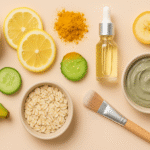
- ½ tsp turmeric + 1 tbsp raw honey or yogurt
- Apply for 10–15 minutes
- Use 1–2 times weekly
Avoid overuse to prevent temporary yellow staining.
4. Licorice Root Extract (Natural Brightening Agent)
Licorice contains glabridin, which helps fade dark spots without skin irritation.
Benefits:
- Reduces melanin activity
- Soothes sensitive and acne-prone skin
- Safe for long-term use
Look for licorice extract in natural serums or creams.
5. Vitamin C from Natural Sources
Vitamin C helps lighten pigmentation and boosts collagen.
Natural Sources:
- Rosehip oil
- Kakadu plum extract
- Amla (Indian gooseberry)
Usage Tip:
Apply in the morning before sunscreen for enhanced brightening results.
6. Gentle Natural Exfoliation
Exfoliation removes pigmented dead skin cells and promotes renewal.
Natural Exfoliants:
- Rice flour + milk
- Oatmeal + honey
- Mashed papaya (contains natural enzymes)
- Best used once or twice per week to prevent sensitivity
7. Green Tea for Antioxidant Protection
Green tea contains polyphenols that protect skin from UV-induced pigmentation.
How to Use:
- Apply cooled green tea as a toner
- Use green tea extract-based skincare
- Drink daily for internal skin benefits
8. Healthy Skin-Brightening Diet
Skin pigmentation is influenced from within.
Include:
- Vitamin A (carrots, sweet potatoes)
- Vitamin E (nuts, seeds)
- Zinc (pumpkin seeds, lentils)
- Omega-3 fatty acids (flaxseed, walnuts)
Stay hydrated to improve cell regeneration.
9. Avoid Skin Triggers
Certain habits worsen hyperpigmentation:
- Picking acne or scabs
- Using harsh scrubs
- Over-exfoliating
- Frequent heat exposure (steam, saunas)
Gentle care leads to faster healing.
How Long Do Natural Treatments Take to Work?
Natural remedies work gradually, not overnight.
Expected Timeline:
- Mild pigmentation: 4–6 weeks
- Acne marks: 6–8 weeks
- Deep melasma: 3–6 months with consistency
Consistency is more important than using many products.
Who Should Choose Natural Hyperpigmentation Treatments?
Natural methods are ideal for:
- Sensitive skin types
- Acne-prone skin
- Pregnant or breastfeeding individuals
- Long-term skin health maintenance
Final Thoughts
Reducing hyperpigmentation naturally is about patience, protection, and consistency. By combining sun protection, gentle plant-based ingredients, proper nutrition, and mindful skincare habits, you can achieve a more even, radiant skin tone without harsh chemicals.
Natural skincare doesn’t bleach the skin—it restores balance.
Frequently Asked Questions
Can hyperpigmentation be reduced naturally without treatments?
Yes, hyperpigmentation can be reduced naturally with consistent sun protection, gentle skincare, and natural ingredients that help regulate melanin production. Natural methods focus on skin repair and balance rather than aggressive lightening.
How long do natural remedies take to fade dark spots?
Mild pigmentation may improve within 4–8 weeks, while deeper pigmentation such as acne marks or melasma may take 3–6 months. Consistency, sun protection, and patience are essential for visible results.
Are natural remedies safe for sensitive or acne-prone skin?
Most natural ingredients like aloe vera, licorice root, green tea, and oatmeal are gentle and suitable for sensitive or acne-prone skin. Patch testing is always recommended before regular use.
Can diet influence hyperpigmentation?
Yes, a nutrient-rich diet supports skin repair and pigment control. Vitamins C and E, zinc, omega-3 fatty acids, and antioxidants help reduce inflammation and promote even skin tone.
Can hyperpigmentation return after it fades?
Hyperpigmentation can return if the skin is exposed to sunlight, heat, or inflammation without protection. Daily sunscreen use and gentle skincare help prevent recurrence.
Are natural hyperpigmentation treatments suitable for all skin tones?
Yes, natural treatments are generally safe for all skin tones. They are especially beneficial for deeper skin tones because they minimize the risk of irritation and rebound pigmentation.